
 English
 Deutsch
 Français
 Italiano
 Español
 Polski
 Română
 Nederlands
 Português
 Svenska
 Dansk
Dansk
Pasta Carbonara and Gut Health
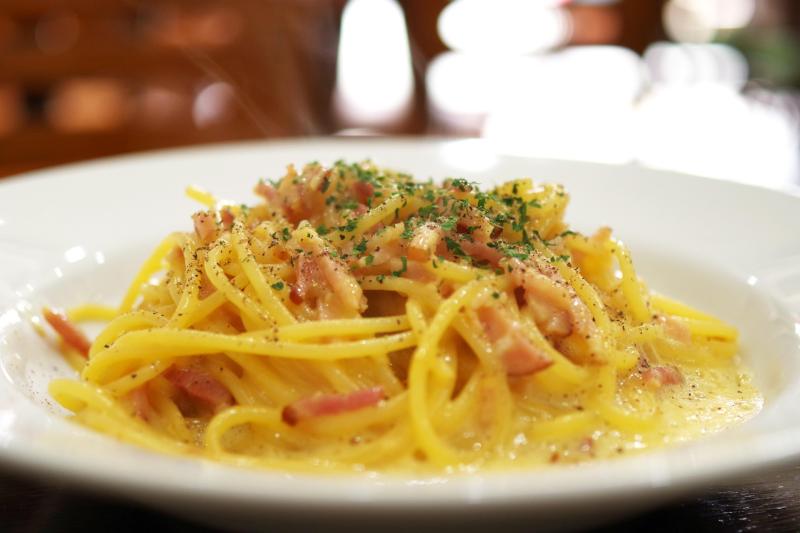
Pasta Carbonara is a classic Italian pasta dish made with spaghetti, guanciale (cured pork jowl), Pecorino Romano cheese, eggs, and black pepper. Its simple ingredient list creates a rich flavor profile, but also raises important considerations for gut health, including FODMAPs, histamine, fiber, and common allergens.
- High in FODMAPs due to wheat-based spaghetti
- Contains multiple histamine sources and liberators (guanciale, Pecorino Romano, eggs, black pepper)
- Low in fiber, offering minimal support for gut motility
- Not suitable for people with gluten, dairy, or egg allergies
- Rich in saturated fat from guanciale and cheese, which may slow digestion
- May trigger symptoms in those sensitive to salicylates or nickel
FODMAP Content in Pasta Carbonara
Pasta Carbonara is high in FODMAPs, primarily due to the wheat-based spaghetti, which contains fructans. These fermentable carbohydrates can trigger bloating, gas, and abdominal pain in people with IBS or FODMAP sensitivity. While guanciale, eggs, and black pepper are FODMAP-free, the pasta base makes this dish unsuitable for low-FODMAP diets unless gluten-free pasta is used.
Histamine and Amines in Pasta Carbonara
This dish contains several high-histamine or histamine-liberating ingredients. Guanciale and Pecorino Romano are both high in histamine due to curing and aging. Eggs and black pepper may act as histamine liberators, potentially triggering symptoms like headaches, flushing, or digestive upset in people with histamine intolerance.
Fiber Content and Gut Motility
Pasta Carbonara is low in dietary fiber. Spaghetti provides some insoluble fiber, but the overall fiber content is modest, especially compared to whole grain or vegetable-based dishes. Guanciale, Pecorino Romano, and eggs contain no fiber. For better gut motility and microbiome support, pair this dish with a fiber-rich side salad or vegetables.
Allergens and Sensitivities in Pasta Carbonara
Pasta Carbonara contains several major allergens: gluten (from wheat spaghetti), dairy proteins (from Pecorino Romano), and eggs. It is not suitable for people with celiac disease, wheat allergy, dairy allergy, or egg allergy. Always check ingredient labels and preparation methods if you have food allergies or intolerances.
Fat Content and Digestive Impact
Guanciale and Pecorino Romano contribute significant saturated fat to Pasta Carbonara. High-fat meals can slow gastric emptying and may cause digestive discomfort, especially in those with gallbladder or pancreatic issues. Moderation and mindful portion sizes can help improve tolerability for sensitive individuals.
Salicylates and Nickel Sensitivities
Black pepper is very high in salicylates, which can trigger gut symptoms such as cramps or diarrhea in sensitive individuals. Both wheat spaghetti and black pepper may also contain moderate levels of nickel, potentially causing symptoms in those with nickel sensitivity. If you are sensitive to these compounds, use caution or consider alternatives.
Digestibility and Preparation
Pasta Carbonara is generally easy to digest for those without sensitivities, but its richness and fat content can make it heavy for some. Cooking spaghetti al dente can slow starch digestion, while overcooked pasta may be digested more rapidly. The absence of fiber-rich vegetables means the dish is less supportive of gut motility.
Ingredients in Pasta Carbonara
Explore the gut health impact of each ingredient in Pasta Carbonara. Click for detailed information:
Black Pepper
Black Pepper and Gut Health: FODMAP, Histamine, Salicylates, Fiber, and Sensitivities
Chicken Eggs
Eggs and Gut Health: FODMAP, Histamine, Allergies, and Digestion
Guanciale
Guanciale and Gut Health: FODMAP, Histamine, Additives, and Digestion
Pecorino Romano
Pecorino Romano and Gut Health: Lactose, Histamine, FODMAP, and Digestion
Spaghetti
Spaghetti and Gut Health: FODMAP, Gluten, Fiber, and Digestive Impact