
 English
 Deutsch
 Français
 Italiano
 Español
 Polski
 Română
 Nederlands
 Português
 Svenska
 Dansk
Dansk
Gourds and Squashes and Gut Health
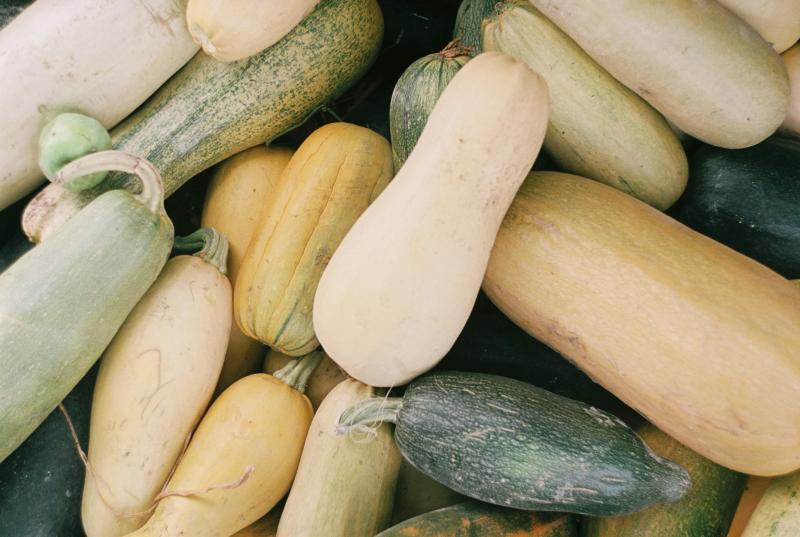
Gourds and squashes are a diverse group of vegetables that includes bitter melon, chayote, pumpkin, butternut squash, and more. They are valued for their gentle flavors, fiber content, and versatility in cooking. While many are low in FODMAPs and histamine, some varieties require portion control or special preparation for sensitive digestion.
- FODMAP content varies by type and serving size; some are low-FODMAP, others require moderation.
- Most gourds and squashes are low in histamine and rarely act as histamine liberators.
- They provide a mix of soluble and insoluble fibers, supporting gut motility and microbiome health.
- Allergies are rare but possible, especially in those sensitive to related plants.
- Cooking improves digestibility and reduces potential irritants in most squashes.
- Some, like bitter melon, may contain unique plant compounds that affect gut tolerance.
FODMAP Content in Gourds and Squashes
FODMAP levels in gourds and squashes vary significantly. Pumpkin, butternut squash, and chayote are moderate in FODMAPs, so portion size is important for those with IBS. Other varieties, such as giant squash and red kuri squash, are low in FODMAPs and generally well tolerated. Bitter melon and some less common gourds may contain oligosaccharides, which can cause symptoms in sensitive individuals.
Histamine and Amines in Gourds and Squashes
Most gourds and squashes are naturally low in histamine and do not act as histamine liberators or DAO blockers. Exceptions include bitter melon, which may act as a histamine liberator for some. Spoiled or improperly stored squash can develop higher amine levels, so fresh preparation is best for those with histamine intolerance.
Fiber Content and Gut Benefits
Gourds and squashes provide both soluble and insoluble fibers, though the amount varies by type. Butternut squash and red kuri squash are higher in fiber, supporting regularity and feeding beneficial gut bacteria. Giant squash and pumpkin offer modest fiber, making them suitable for gentle digestion and those easing into higher-fiber diets.
Digestibility and Preparation Methods
Cooking gourds and squashes softens their fibers and starches, making them easier to digest. Removing skins and seeds can further reduce irritation for sensitive guts. Pureeing or mashing cooked squash is especially gentle. Raw gourds are less common and may be harder to tolerate. Always use fresh produce to minimize histamine and amine buildup.
Allergy and Intolerance Risks
Allergies to gourds and squashes are rare but possible, especially in people with sensitivities to related plants like melons or cucumbers. Symptoms may include oral itching or mild digestive upset. Cross-reactivity is uncommon, but those with known allergies should introduce new varieties cautiously.
Natural Sugars and Sweetness
Most gourds and squashes are low in sugar, with the exception of monk fruit, which is used as a natural sweetener. Monk fruit extract is low in calories and does not contain fermentable sugars, making it suitable for most sensitive guts. Other squashes have mild sweetness and are generally well tolerated in moderate servings.
List of Gourds and Squashes
Explore the full range of gourds and squashes for gut health insights. Click each type for detailed information: