
 English
 Deutsch
 Français
 Italiano
 Español
 Polski
 Română
 Nederlands
 Português
 Svenska
 Dansk
Dansk
Vegetables and Gut Health
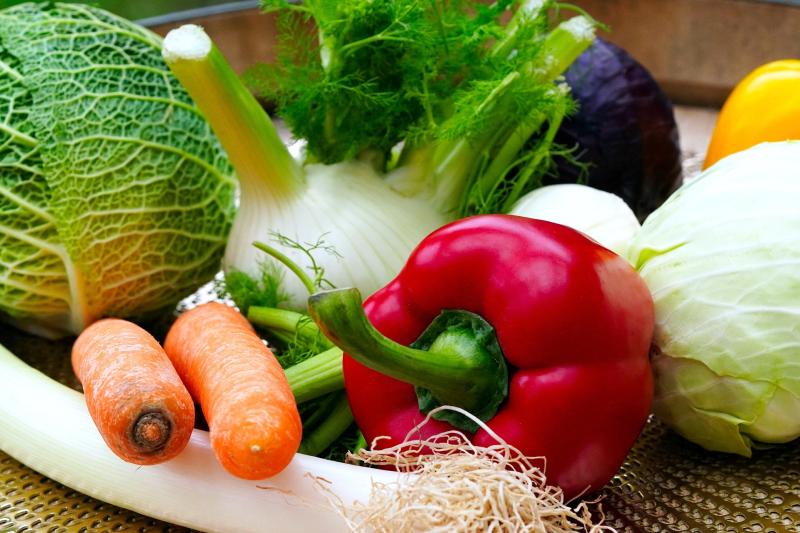
Vegetables are a foundational part of a gut-friendly diet, offering a wide spectrum of fibers, micronutrients, and plant compounds. Their effects on digestion and gut health depend on the specific type, preparation method, and individual sensitivities. Understanding the unique profiles of vegetable subcategories helps you make informed choices for optimal digestive wellness.
- Vegetables provide both soluble and insoluble fiber, supporting gut motility and beneficial microbiota.
- FODMAP content varies widely between vegetable types and portion sizes, influencing IBS and sensitive digestion.
- Some vegetables act as histamine liberators or accumulate amines, relevant for those with histamine intolerance.
- Preparation methods (raw, cooked, fermented, canned) can alter fiber, FODMAP, and amine content.
- Allergies and sensitivities are possible, especially with alliums, legumes, nightshades, and certain additives.
- Vegetables include both high- and low-FODMAP, high- and low-histamine, and high- and low-fiber options.
FODMAP Content Across Vegetable Subcategories
FODMAP levels in vegetables vary greatly by subcategory. Leafy greens, stalk vegetables, and many gourds are often low-FODMAP, while alliums, legumes, cruciferous vegetables, and flower vegetables tend to be high in FODMAPs, especially in larger servings. Processed, canned, or dried vegetables may have concentrated FODMAPs. Monitoring both type and portion size is essential for those with IBS or FODMAP intolerance.
Fiber Content and Prebiotic Effects
Vegetables are rich in both soluble and insoluble fibers, which support regularity and nourish beneficial gut bacteria. Subcategories like legumes, root vegetables, and cruciferous vegetables are especially high in fiber, while others like fruit vegetables and gourds provide gentler options. Prebiotic fibers, such as inulin and GOS, are present in many vegetables and can enhance microbiome diversity, though they may cause gas in sensitive individuals.
Histamine and Amines in Vegetables
Most fresh vegetables are low in histamine, but some, including spinach, tomatoes, and certain legumes, can act as histamine liberators or accumulate biogenic amines during storage or processing. Fermented, canned, or dried vegetables often have higher amine content. Individuals with histamine intolerance should focus on fresh, well-tolerated varieties and avoid aged or fermented options.
Allergies, Sensitivities, and Other Compounds
Vegetable allergies are uncommon but possible, especially with alliums, legumes, celery, and nightshades. Some vegetables contain nickel, salicylates, or oxalates, which can trigger symptoms in sensitive people. Additives in processed or preserved vegetables may also cause reactions. Introduce new vegetables cautiously if you have a history of food allergies or intolerances.
Preparation Methods and Digestive Tolerance
How vegetables are prepared—raw, cooked, fermented, canned, or dried—affects their fiber, FODMAP, and amine content. Cooking generally softens fibers and can reduce FODMAPs, improving digestibility. Fermentation increases histamine and amines, while canning may lower some FODMAPs but add preservatives. Choose preparation methods that suit your digestive needs and sensitivities.
List of Vegetable Subcategories
Explore each vegetable subcategory for detailed gut health information. Click each type for specifics on FODMAPs, histamine, fiber, and sensitivities:
Bulb Vegetables
Bulb Vegetables and Gut Health: FODMAPs, Histamine, Fiber, and Sensitivities
Cruciferous Vegetables
Cruciferous Vegetables and Gut Health: FODMAPs, Histamine, Fiber, and Digestive Tolerance
Flower Vegetables
Flower Vegetables and Gut Health: FODMAPs, Fiber, Prebiotics, and Digestion
Fruit Vegetables
Fruit Vegetables and Gut Health: FODMAPs, Histamine, Nightshades, Fiber, and Sensitivities
Gourds and Squashes
Gourds and Squashes and Gut Health: FODMAPs, Histamine, Fiber, Digestion, and Sensitivities
Hot Peppers
Hot Peppers and Gut Health: FODMAPs, Histamine, Capsaicin, Fiber, and Sensitivities
Leaf Vegetables
Leaf Vegetables and Gut Health: FODMAPs, Histamine, Fiber, Digestion, and Sensitivities
Legumes and Pulses
Legumes and Pulses and Gut Health: FODMAPs, Histamine, Fiber, Allergies, and Digestion
Preserved and Canned Vegetables
Preserved and Canned Vegetables and Gut Health: FODMAPs, Histamine, Fiber, Additives, and Sensitivities
Root Vegetables
Root Vegetables and Gut Health: FODMAPs, Histamine, Fiber, and Digestive Effects
Stalk Vegetables
Stalk Vegetables and Gut Health: FODMAPs, Histamine, Fiber, Allergies, and Oxalates
Tubers
Tubers and Gut Health: FODMAPs, Histamine, Fiber, Prebiotics, and Digestive Tolerance