
 English
 Deutsch
 Français
 Italiano
 Español
 Polski
 Română
 Nederlands
 Português
 Svenska
 Dansk
Dansk
Bulb Vegetables and Gut Health
Bulb vegetables are a diverse group that includes alliums (onions, garlic, leeks, shallots, scallions), fennel, water chestnut, and related varieties. These vegetables are valued for their flavor, fiber, and phytonutrients, but they often pose challenges for sensitive guts. Their FODMAP content, histamine-liberating potential, and allium-specific compounds are important for people with IBS, histamine intolerance, or food sensitivities.
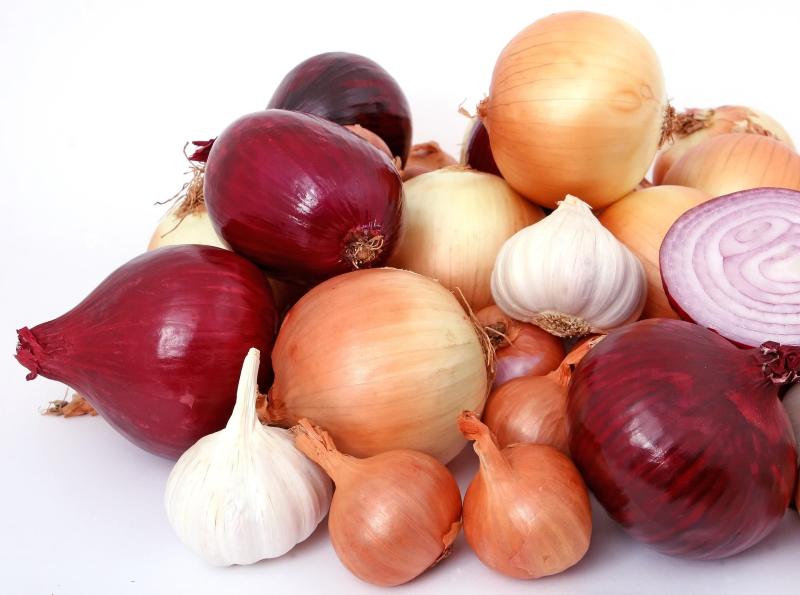
- Most bulb vegetables, especially alliums, are high in FODMAPs (fructans), which can trigger IBS symptoms.
- Many act as histamine liberators or contain compounds that may worsen histamine intolerance.
- Bulb vegetables are generally rich in fiber, supporting gut health but sometimes causing bloating.
- Allium family members (onion, garlic, leek, shallot, scallion) can cause intolerance or sensitivity reactions.
- Fennel bulb is lower in FODMAPs and often better tolerated than other bulb vegetables.
- Water chestnut is low in FODMAPs and rarely causes gut symptoms.
FODMAP Content in Bulb Vegetables
Most bulb vegetables, particularly alliums like garlic, onion, leek, and shallot, are high in FODMAPs due to their fructan content. Even small amounts can trigger bloating, gas, and discomfort in people with IBS or FODMAP sensitivity. Fennel bulb and water chestnut are notable exceptions, as they are low in FODMAPs and generally well tolerated in moderate servings.
Histamine and Amines in Bulb Vegetables
Bulb vegetables are typically low in histamine, but many, especially alliums, can act as histamine liberators. This means they may trigger the release of histamine from body stores, causing symptoms in people with histamine intolerance or mast cell activation. Individual response varies, so those with histamine issues should monitor their tolerance.
Fiber Content and Prebiotic Effects
Bulb vegetables are a good source of both soluble and insoluble fibers. Alliums contain prebiotic fibers like inulin and fructooligosaccharides, which feed beneficial gut bacteria. While this supports microbiome health, these same fibers can cause gas and bloating in sensitive individuals. Fennel and water chestnut offer fiber with fewer fermentable carbohydrates.
Allium Family Sensitivity and Intolerance
Alliums, including onion, garlic, leek, shallot, scallion, and Welsh onion, are known for causing intolerance or sensitivity reactions. Symptoms may include bloating, cramping, or even nausea, independent of FODMAPs. Some people experience oral or skin reactions, though true allergy is rare. Cooking may reduce irritants but does not eliminate FODMAPs.
Digestive Effects and Tolerability
Bulb vegetables can be difficult to digest for those with sensitive guts, mainly due to their FODMAP and fiber content. Cooking may soften fibers and slightly reduce irritants, but most alliums remain problematic for people with IBS. Fennel bulb and water chestnut are generally easier to digest and less likely to cause symptoms.
Preparation and Cooking Methods
Raw bulb vegetables, especially alliums, are more likely to trigger gut symptoms than cooked. Cooking can mellow flavors and soften fibers, but does not significantly reduce FODMAP content. Using infused oils (e.g., garlic or onion oil) allows for flavor without the problematic carbohydrates, as FODMAPs are not oil-soluble.
Salicylates, Nickel, and Other Sensitivities
Some bulb vegetables, particularly alliums, may contain moderate levels of salicylates and nickel. These compounds can trigger symptoms in sensitive individuals, such as headaches, skin reactions, or digestive upset. Fennel and water chestnut are generally lower in these compounds and better tolerated by most people.
List of Bulb Vegetables
Explore the full range of bulb vegetables and their gut health effects. Click each ingredient for detailed information:
Garlic
Garlic and Gut Health: FODMAP, Histamine, Fiber, and Sensitivity
Onion
Onion and Gut Health: FODMAP, Histamine, Fiber, and Digestion
Scallion
Scallion and Gut Health: FODMAP, Fiber, Digestion, and Sensitivities
Shallot
Shallot and Gut Health: FODMAP, Fiber, Histamine, and Sensitivities