
 English
 Deutsch
 Français
 Italiano
 Español
 Polski
 Română
 Nederlands
 Português
 Svenska
 Dansk
Dansk
Onion and Gut Health
Onions are a staple bulb vegetable in many cuisines, but they can pose challenges for gut health, especially for those with sensitive digestion. Their FODMAP content, fiber profile, and potential for triggering histamine-related symptoms make them a key ingredient to consider for people with IBS, food intolerances, or allergies.
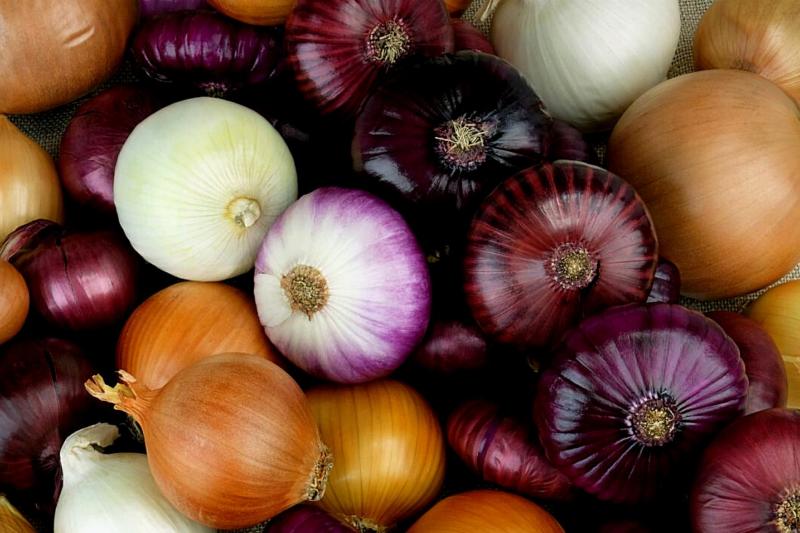
- High in FODMAPs, especially fructans, which can trigger IBS symptoms
- May act as a histamine liberator and cause issues for sensitive individuals
- Contains both soluble and insoluble fibers that can affect digestion
- Part of the allium family, which may cause intolerance in some people
- May contain moderate salicylates and nickel, relevant for sensitive groups
Onion and FODMAP Content
Onions are high in FODMAPs, particularly fructans, which are a type of oligosaccharide. These carbohydrates are poorly absorbed in the small intestine and can cause bloating, gas, and discomfort in people with IBS or FODMAP sensitivity. Even small amounts of onion can trigger symptoms, making them a common food to avoid on a low-FODMAP diet.
| FODMAPs | Level | Portion Guidance |
|---|---|---|
|
Monosaccharides (Fructose)
|
Moderate |
|
|
Disaccharides (Lactose)
|
Low | — |
|
Fructooligosaccharides (Fructans)
|
High |
|
|
Galactooligosaccharides (GOS)
|
Moderate |
|
|
Polyols (Mannitol)
|
Low | — |
|
Polyols (Sorbitol)
|
Low | — |
Histamine and Onion Intolerance
Onions are not high in histamine themselves, but they may act as histamine liberators, which means they can trigger the release of histamine in the body. This can cause symptoms in people with histamine intolerance, such as headaches, flushing, or digestive upset. Some individuals also report poor tolerance to onions even when histamine content is low.
| Histamine & Related | Level | Portion Guidance |
|---|---|---|
|
Histamine Level
|
Low–Moderate |
|
|
Other Biogenic Amines
|
Low–Moderate |
|
|
Histamine Liberator
|
Moderate | — |
|
DAO Blocker
|
Low | — |
Fiber Profile in Onions
Onions provide both soluble and insoluble fibers, with about 1.7 grams of fiber per 100 grams. Soluble fibers can help feed beneficial gut bacteria, while insoluble fibers add bulk to stool. However, the fermentable nature of onion fibers, especially fructans, can lead to gas and bloating in sensitive individuals.
Total Fiber
Digestive Effects and Tolerability
The combination of FODMAPs and fibers in onions can make them difficult to digest for some people. Cooking onions may reduce their FODMAP content slightly, but many still experience symptoms. Some individuals with allium intolerance or sensitive guts may need to avoid onions entirely to prevent digestive discomfort.
Allium Family and Onion Sensitivity
Onions belong to the allium family, which also includes garlic and leeks. Some people experience intolerance or mild allergic reactions to alliums, leading to symptoms like stomach pain, bloating, or even skin reactions. True onion allergy is rare, but sensitivity is more common, especially in those with other food intolerances.
Details
- Absent Wheat / Spelt
- Absent Rye
- Absent Barley
- Absent Oats
Details
- Absent Crabs
- Absent Prawns
- Absent Shrimp
- Absent Lobsters
- Absent Crayfish
Details
- Absent Almonds
- Absent Brazil Nuts
- Absent Cashews
- Absent Hazelnuts
- Absent Macadamia Nuts
- Absent Pecans
- Absent Pistachios
- Absent Walnuts
Details
- Absent Clams
- Absent Mussels
- Absent Octopus
- Absent Oysters
- Absent Snails
- Absent Squid
Salicylates, Nickel, and Other Compounds in Onions
Onions contain moderate amounts of salicylates and nickel, which can be relevant for people with sensitivities to these compounds. Reactions may include headaches, skin issues, or gut symptoms. While not a concern for most, those with known salicylate or nickel intolerance should be cautious with onion intake.