
 English
 Deutsch
 Français
 Italiano
 Español
 Polski
 Română
 Nederlands
 Português
 Svenska
 Dansk
Dansk
Garlic and Gut Health
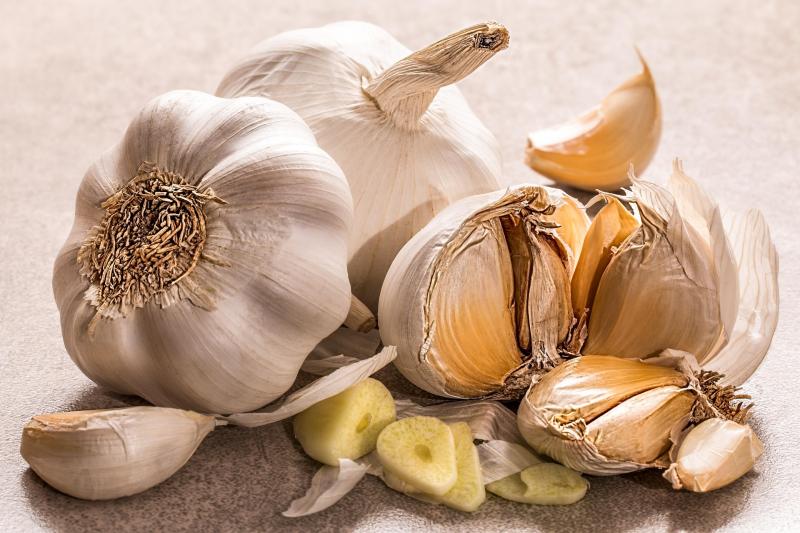
Garlic is a popular bulb vegetable known for its strong flavor and health benefits, but it can be challenging for sensitive guts. Its high FODMAP content, potential as a histamine liberator, and allium family effects are important to consider for gut health.
- High in FODMAPs due to fructans, often triggers IBS symptoms
- May act as a histamine liberator, relevant for histamine intolerance
- Belongs to the allium family, can cause sensitivity reactions
- Contains both soluble and insoluble fibers
- Raw garlic is more potent for symptoms than cooked
- Rarely causes allergies, but intolerance is common
Garlic and FODMAPs: High Fructan Content
Garlic is high in FODMAPs, specifically fructans, which are poorly absorbed carbohydrates. Even small amounts of garlic can trigger bloating, gas, and discomfort in people with irritable bowel syndrome (IBS) or FODMAP sensitivity. Cooking does not significantly reduce its FODMAP content, so those on a low-FODMAP diet should avoid garlic or use garlic-infused oils instead.
| FODMAPs | Level | Portion Guidance |
|---|---|---|
|
Monosaccharides (Fructose)
|
Moderate |
|
|
Disaccharides (Lactose)
|
Low | — |
|
Fructooligosaccharides (Fructans)
|
High |
|
|
Galactooligosaccharides (GOS)
|
Low | — |
|
Polyols (Mannitol)
|
Low | — |
|
Polyols (Sorbitol)
|
Low | — |
Histamine and Garlic: Liberator Effect
Garlic itself is low in histamine, but it may act as a histamine liberator, meaning it can trigger the release of histamine from cells in sensitive individuals. This is relevant for people with histamine intolerance or mast cell activation issues, who may experience symptoms like headaches, skin flushing, or digestive upset after consuming garlic.
| Histamine & Related | Level | Portion Guidance |
|---|---|---|
|
Histamine Level
|
Low–Moderate |
|
|
Other Biogenic Amines
|
Low–Moderate |
|
|
Histamine Liberator
|
Moderate | — |
|
DAO Blocker
|
Low | — |
Allium Family Sensitivity
Garlic belongs to the allium family, which includes onions, leeks, and shallots. Some people experience digestive symptoms or intolerance to allium vegetables, independent of FODMAPs. These reactions can include bloating, cramping, or even nausea, and may be more pronounced with raw garlic.
Fiber Content in Garlic
Garlic contains both soluble and insoluble fibers, contributing to gut health by supporting regular bowel movements and feeding beneficial gut bacteria. However, the same fibers, especially fructans, can be problematic for those with FODMAP sensitivity. For most people, garlic's fiber content is a positive, but for sensitive guts, it can be a trigger.
Total Fiber
Preparation: Raw vs. Cooked Garlic
Raw garlic tends to be more potent in triggering gut symptoms due to its higher concentration of active compounds and FODMAPs. Cooking garlic may slightly mellow its effects, but does not eliminate FODMAPs. Garlic-infused oils can provide flavor without the problematic carbohydrates, making them a safer option for sensitive individuals.
Garlic Allergy and Intolerance
True garlic allergy is rare, but intolerance is common, especially in those with IBS or allium sensitivity. Symptoms of intolerance include digestive discomfort, bloating, or even skin reactions. Those with a known allium allergy should avoid garlic completely, while others may tolerate small, cooked amounts.
Details
- Absent Wheat / Spelt
- Absent Rye
- Absent Barley
- Absent Oats
Details
- Absent Crabs
- Absent Prawns
- Absent Shrimp
- Absent Lobsters
- Absent Crayfish
Details
- Absent Almonds
- Absent Brazil Nuts
- Absent Cashews
- Absent Hazelnuts
- Absent Macadamia Nuts
- Absent Pecans
- Absent Pistachios
- Absent Walnuts
Details
- Absent Clams
- Absent Mussels
- Absent Octopus
- Absent Oysters
- Absent Snails
- Absent Squid