
 English
 Deutsch
 Français
 Italiano
 Español
 Polski
 Română
 Nederlands
 Português
 Svenska
 Dansk
Dansk
Preserved and Canned Vegetables and Gut Health
Preserved and canned vegetables include a wide range of products such as pickles, olives, canned tomatoes, fermented cabbage, and dried vegetables. These foods offer convenience and long shelf life, but their impact on gut health depends on factors like FODMAP content, histamine levels, fiber, and additives. Processing methods—pickling, fermenting, drying, or canning—can alter their digestive effects, making them more or less suitable for sensitive individuals.
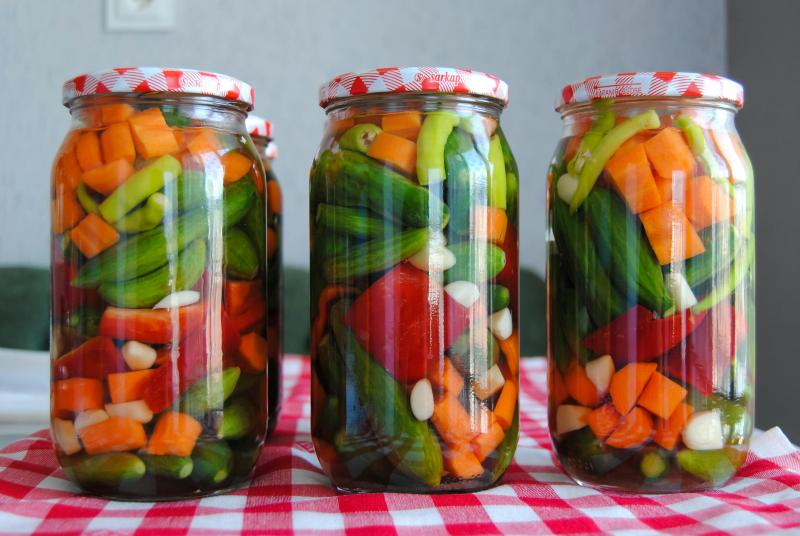
- FODMAP content varies widely; some preserved vegetables are high in FODMAPs, while others are low.
- Fermentation and preservation can increase histamine and other biogenic amines, affecting histamine intolerance.
- Many preserved vegetables provide fiber, but drying and processing may concentrate fermentable fibers.
- Additives such as sulfites, benzoates, and colorants are common and may trigger reactions in sensitive people.
- Pickled and fermented vegetables can support gut microbiota but may not be suitable for everyone.
- Allergies and sensitivities, including to nickel, salicylates, or nightshades, may be relevant in this category.
FODMAP Content in Preserved and Canned Vegetables
FODMAP levels in preserved and canned vegetables depend on the vegetable type and processing method. For example, canned beetroot, pickled onions, and dehydrated onion are high in FODMAPs, while olives, canned tomatoes, and heart of palm are generally low-FODMAP in moderate servings. Fermentation and drying can concentrate FODMAPs, so portion size and individual tolerance are important for those with IBS or FODMAP sensitivity.
Histamine and Amines in Preserved Vegetables
Fermentation, canning, and pickling can increase histamine and other biogenic amines in vegetables. Foods like sauerkraut, kimchi, olives, and pickled peppers are often high in histamine or act as histamine liberators, potentially triggering symptoms in sensitive individuals. Dried and aged products, such as sun-dried tomatoes and dried shiitake, may also contain elevated amine levels.
Fiber Content and Prebiotic Effects
Many preserved vegetables retain both soluble and insoluble fibers, supporting gut motility and feeding beneficial bacteria. Fermented vegetables like sauerkraut and kimchi may provide additional prebiotic benefits and live cultures, though their salt and amine content can limit suitability for some. Dried vegetables and canned legumes can be high in fermentable fibers, which may cause bloating in sensitive guts.
Additives and Preservatives in Canned and Pickled Vegetables
Preserved vegetables often contain additives such as sulfites, benzoates, colorants, and sometimes MSG. These substances can cause pseudoallergic reactions, headaches, or digestive symptoms in sensitive individuals. Always check ingredient labels, especially if you have a history of reactions to preservatives or food additives.
Digestive Tolerability and Preparation Methods
Processing methods like pickling, fermenting, and drying can affect digestibility. Fermented vegetables may aid digestion for some but cause issues for those with histamine intolerance. Canned vegetables are often softer and easier to digest, but their sodium and additive content can be high. Rinsing canned or pickled vegetables can reduce salt and some surface additives, improving tolerability.
Allergies and Sensitivities in Preserved Vegetables
Allergies to preserved vegetables are rare but possible, especially due to cross-reactivity with related foods or reactions to additives. Nickel, salicylates, and nightshade sensitivities are relevant for certain vegetables like olives, tomatoes, and peppers. Monitor your response and consult ingredient lists if you have known sensitivities.
List of Preserved and Canned Vegetables
Explore the full range of preserved and canned vegetables for detailed gut health information. Each ingredient has unique properties and tolerability profiles: