
 English
 Deutsch
 Français
 Italiano
 Español
 Polski
 Română
 Nederlands
 Português
 Svenska
 Dansk
Dansk
Leaf Vegetables and Gut Health
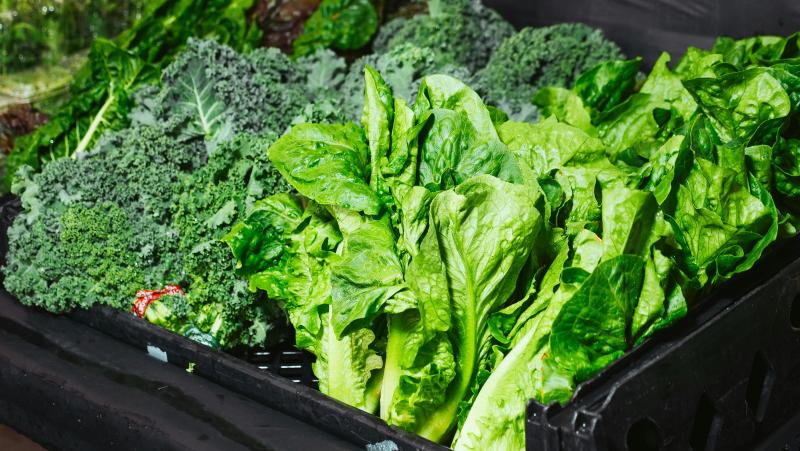
Leaf vegetables, also known as leafy greens, are a diverse group of edible plant leaves that offer essential nutrients and play a significant role in gut health. This category includes popular greens like kale, spinach, lettuce, chard, and dandelion greens, as well as less common varieties such as jute leaves and water spinach. Their FODMAP content, histamine potential, fiber profile, and other plant compounds can affect digestive wellness, especially for sensitive individuals.
- Most leaf vegetables are low in FODMAPs, but some (like chicory leaves and spinach) can be moderate to high depending on portion size.
- Histamine content varies; spinach is high in histamine, while most lettuces and kale are low.
- Leafy greens are rich in dietary fiber, supporting gut motility and a healthy microbiome.
- Preparation method (raw vs. cooked) impacts digestibility and tolerability.
- Allergies are rare but possible, especially in individuals with pollen-food syndrome or sensitivities to related plants.
- Some leafy greens contain notable levels of nickel or salicylates, which may affect sensitive individuals.
FODMAP Content in Leaf Vegetables
Most leaf vegetables, such as lettuce, kale, and collard greens, are low in FODMAPs and suitable for people with IBS or those following a low-FODMAP diet. However, certain greens like chicory leaves and spinach can be moderate to high in FODMAPs at larger servings due to mannitol or fructans. Portion size is key for those with FODMAP sensitivity.
Histamine and Amines in Leafy Greens
Histamine levels in leafy greens vary. Spinach is high in histamine and may act as a histamine liberator or DAO blocker, making it unsuitable for those with histamine intolerance. Most lettuces, kale, and chard are low in histamine and generally safe. Always consume greens fresh, as spoilage can increase amine content.
Fiber Content and Gut Microbiome
Leaf vegetables are a valuable source of dietary fiber, including both soluble and insoluble types. Fiber supports regular bowel movements, feeds beneficial gut bacteria, and helps maintain gut barrier function. Greens like kale, chard, and collard greens are especially high in fiber, while iceberg lettuce is lower but still contributes to daily intake.
Prebiotic Effects of Leaf Vegetables
Some leafy greens, such as chicory leaves and dandelion greens, contain fibers with mild prebiotic effects. These fibers nourish beneficial gut bacteria, supporting a healthy microbiome. While not all leaf vegetables have strong prebiotic properties, including a variety in your diet can enhance microbial diversity.
Digestibility and Preparation Methods
Digestibility of leaf vegetables depends on the type and preparation. Cooking greens like kale, chard, and collards softens fibers and reduces potential digestive discomfort. Raw greens are generally well tolerated but may cause bloating in sensitive individuals. Washing and chopping leaves can further improve digestibility.
Allergies and Sensitivities
Allergies to leaf vegetables are uncommon but can occur, especially in individuals with pollen-food syndrome or sensitivities to related plants. Symptoms may include oral itching, mild digestive upset, or skin reactions. Some greens also contain nickel or salicylates, which may trigger symptoms in sensitive people.
List of Leaf Vegetables
Explore the full range of leaf vegetables for detailed gut health information. Click each type for specifics on FODMAPs, histamine, fiber, and sensitivities: