
 English
 Deutsch
 Français
 Italiano
 Español
 Polski
 Română
 Nederlands
 Português
 Svenska
 Dansk
Dansk
Legumes and Pulses and Gut Health
Legumes and pulses are a diverse group of plant foods that include beans, lentils, peas, and soybeans. They are valued for their high fiber, plant protein, and micronutrient content, but their FODMAP and histamine levels, as well as other compounds, can impact gut health—especially in sensitive individuals. Preparation methods and portion size are key to tolerability.
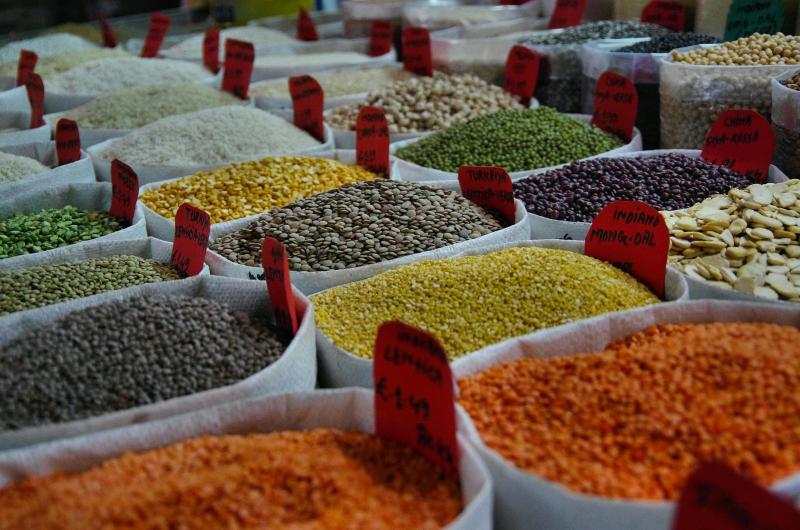
- Most legumes and pulses are high in FODMAPs, especially galacto-oligosaccharides (GOS) and sometimes fructans.
- Canned varieties often have lower FODMAP content than dried or cooked forms.
- Some legumes can act as histamine liberators or accumulate biogenic amines during storage or processing.
- All are excellent sources of soluble and insoluble fiber, supporting gut microbiota and bowel regularity.
- Legumes and pulses are major allergens for some people and are high in nickel, which can trigger symptoms in sensitive individuals.
- Preparation (soaking, cooking, fermenting, rinsing canned products) can improve digestibility and reduce symptom risk.
FODMAP Content in Legumes and Pulses
Legumes and pulses are typically high in FODMAPs, mainly galacto-oligosaccharides (GOS) and sometimes fructans. These fermentable carbohydrates can cause gas, bloating, and discomfort in people with IBS or FODMAP sensitivity. Canned beans and lentils are generally lower in FODMAPs due to leaching into the canning liquid, making them more tolerable in small servings. Monitoring portion size and preparation method is essential for those on a low-FODMAP diet.
Histamine and Biogenic Amines in Legumes
While most fresh legumes are low in histamine, some, such as green beans and soybeans, can act as histamine liberators. Canned, aged, or improperly stored legumes may accumulate biogenic amines like histamine and tyramine, which can trigger symptoms in sensitive individuals. Those with histamine intolerance should be cautious with processed or stored legumes and pulses.
Fiber Content and Prebiotic Effects
Legumes and pulses are rich in both soluble and insoluble fiber, supporting bowel regularity and feeding beneficial gut bacteria. The prebiotic effect of fibers like GOS can help maintain a healthy gut microbiome. However, the same fibers may cause gas or bloating in those not accustomed to high-fiber diets or with FODMAP sensitivity. Gradually increasing intake can improve tolerance.
Allergy and Nickel Sensitivity Risks
Legumes and pulses are a common cause of food allergies, especially soybeans, lupin, and peanuts (not listed here but related). Allergic reactions can range from mild digestive upset to severe systemic symptoms. They are also naturally high in nickel, which can trigger gut or skin symptoms in people with nickel sensitivity. Cross-reactivity with other legumes is possible.
Digestibility and Preparation Methods
Soaking, cooking, fermenting, and rinsing canned legumes can reduce FODMAPs and antinutrients, improving digestibility. Canned varieties are often better tolerated because some FODMAPs leach into the liquid. Cooking thoroughly and starting with small portions can help minimize digestive symptoms like gas and bloating.
Other Compounds: Saponins, Lectins, and Additives
Legumes and pulses contain natural compounds such as saponins and lectins, which can cause digestive discomfort if not properly cooked. Some canned or processed varieties may include additives like sulfites or glutamates, which can trigger symptoms in sensitive individuals. Proper preparation and label reading are important for those with sensitivities.
List of Legumes and Pulses
Explore the full range of legumes and pulses for detailed gut health information. Each ingredient page covers FODMAPs, histamine, fiber, and other sensitivities:
Bean Sprouts
Bean Sprouts and Gut Health: FODMAP, Histamine, Fiber, and Allergies
Beans
Beans and Gut Health: FODMAP, Histamine, Fiber, and Digestive Effects
Chickpeas
Chickpeas and Gut Health: FODMAP, Histamine, Fiber, and Digestion
Soybeans
Soybeans and Gut Health: FODMAP, Histamine, Fiber, and Allergies