
 English
 Deutsch
 Français
 Italiano
 Español
 Polski
 Română
 Nederlands
 Português
 Svenska
 Dansk
Dansk
Hot Peppers and Gut Health
Hot peppers are a diverse group of spicy fruits from the Capsicum genus, ranging from mildly piquant to extremely hot varieties. They are widely used to add heat and flavor to dishes worldwide. Hot peppers are generally low in FODMAPs, but their capsaicin content, histamine-liberating potential, and natural plant compounds can affect gut health, especially in sensitive individuals.
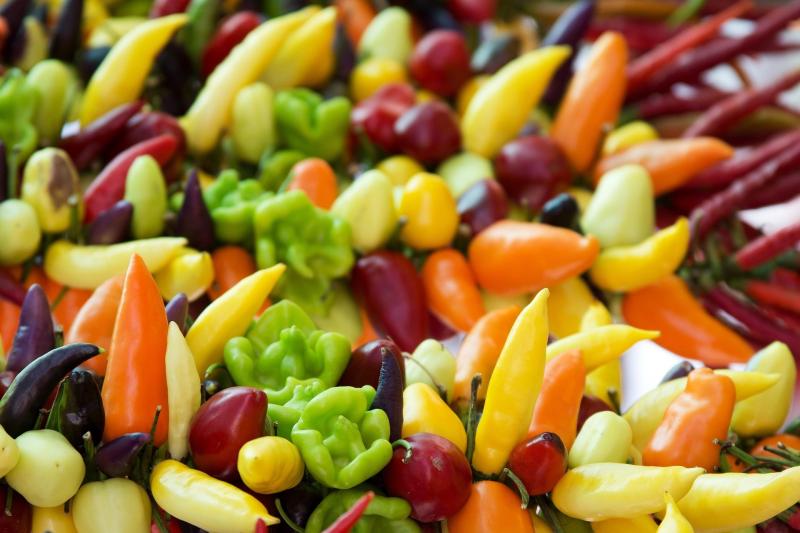
- Most hot peppers are low in FODMAPs and suitable for IBS in small servings.
- Hot peppers can act as histamine liberators, which may trigger symptoms in people with histamine intolerance.
- Capsaicin, the compound responsible for heat, can irritate the gut and worsen reflux or gastritis.
- Contain both soluble and insoluble fiber, but typical serving sizes provide modest amounts.
- Members of the nightshade family, relevant for those with nightshade sensitivities.
- Allergic reactions are rare but possible, especially in people with pepper or nightshade allergies.
FODMAP Content in Hot Peppers
Most hot peppers are naturally low in FODMAPs, making them generally suitable for people with irritable bowel syndrome (IBS) or those following a low-FODMAP diet. However, larger portions or concentrated forms, such as hot sauces or dried powders, may cause discomfort in sensitive individuals. Portion size and preparation method can influence tolerability.
Histamine Liberation and Hot Peppers
Hot peppers are not high in histamine themselves, but many varieties act as histamine liberators. This means they can prompt the body to release stored histamine, potentially causing symptoms like flushing, headaches, or digestive upset in people with histamine intolerance. Aged or fermented hot peppers may also contain higher levels of biogenic amines.
Fiber Content and Gut Support
Hot peppers contain both soluble and insoluble fiber, supporting gut motility and feeding beneficial gut bacteria. While the overall fiber contribution is modest due to typical small servings, including hot peppers can add variety to a fiber-rich diet. Cooking peppers can soften fibers and may improve digestibility for some people.
Capsaicin, Digestion, and Gut Irritation
Capsaicin is the main compound responsible for the heat in hot peppers. It can stimulate digestive secretions and gut motility, but may also irritate the gastrointestinal lining, causing burning, cramps, or diarrhea in sensitive individuals. Capsaicin can also relax the lower esophageal sphincter, increasing the risk of acid reflux or heartburn.
Nightshade Family and Sensitivities
Hot peppers belong to the nightshade family, which also includes tomatoes, potatoes, and eggplants. Some people experience digestive or inflammatory symptoms when consuming nightshades. If you have a known nightshade sensitivity, monitor your response to hot peppers and related foods.
Allergies and Sensitivities to Hot Peppers
True allergies to hot peppers are rare, but some individuals may experience oral irritation, swelling, or cross-reactivity with other nightshades. Those with known sensitivities to peppers or related plants should introduce new varieties cautiously and consult a healthcare provider if symptoms occur.
Preparation Methods and Tolerability
How hot peppers are prepared can influence their impact on gut health. Cooking may reduce some of the irritant effects of capsaicin, while raw, dried, or concentrated forms may be more likely to provoke discomfort. Start with small amounts and observe your individual tolerance, especially if you have a sensitive gut.
List of Hot Peppers
Explore the wide variety of hot peppers and their unique effects on gut health. Click on each type for detailed information: