
 English
 Deutsch
 Français
 Italiano
 Español
 Polski
 Română
 Nederlands
 Português
 Svenska
 Dansk
Dansk
Serrano Pepper and Gut Health
Serrano peppers are a popular hot pepper used in many cuisines for their vibrant heat and flavor. They offer fiber and phytonutrients, but can present challenges for sensitive guts due to their FODMAP content, histamine-liberating potential, and natural compounds.
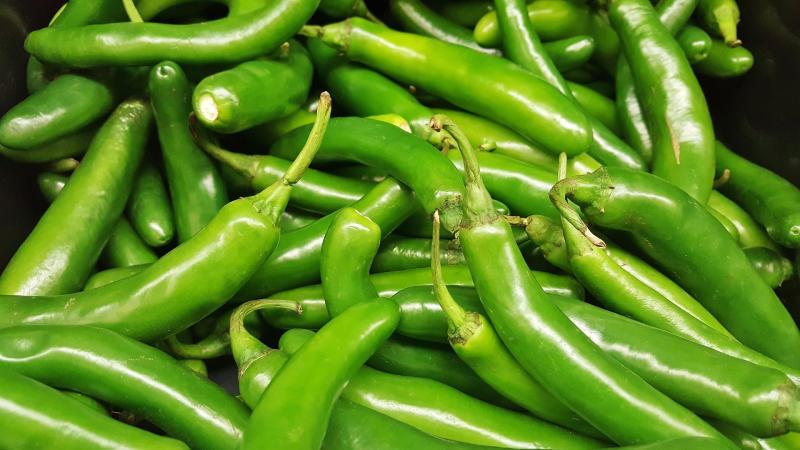
- Low FODMAP in small servings; larger amounts may cause symptoms
- Can act as a histamine liberator, caution for histamine intolerance
- Contains both soluble and insoluble fiber, supporting gut health
- Member of the nightshade family, relevant for some sensitivities
- May contain sorbitol, which can trigger symptoms in sensitive individuals
- High in natural salicylates and moderate in nickel
Serrano Pepper and FODMAP Content
Serrano peppers are generally low in FODMAPs when consumed in small amounts, making them suitable for most people with IBS or FODMAP sensitivities. However, larger servings may increase the risk of symptoms due to the presence of polyols like sorbitol. Portion control is key for those following a low-FODMAP diet.
| FODMAPs | Level | Portion Guidance |
|---|---|---|
|
Monosaccharides (Fructose)
|
Low–Moderate | — |
|
Disaccharides (Lactose)
|
Low | — |
|
Fructooligosaccharides (Fructans)
|
Low | — |
|
Galactooligosaccharides (GOS)
|
Low | — |
|
Polyols (Mannitol)
|
Low | — |
|
Polyols (Sorbitol)
|
Moderate |
|
Histamine and Histamine Liberation
While serrano peppers are naturally low in histamine, they can act as histamine liberators, potentially triggering symptoms in people with histamine intolerance. This means they may prompt the body to release stored histamine, leading to reactions such as flushing, headaches, or digestive discomfort in sensitive individuals.
| Histamine & Related | Level | Portion Guidance |
|---|---|---|
|
Histamine Level
|
Low–Moderate |
|
|
Other Biogenic Amines
|
Low–Moderate |
|
|
Histamine Liberator
|
Moderate | — |
|
DAO Blocker
|
Low | — |
Fiber Content in Serrano Peppers
Serrano peppers provide both soluble and insoluble fiber, with about 3.7 grams of total fiber per 100 grams. These fibers support regular bowel movements and help feed beneficial gut bacteria. However, the amount consumed is usually small, so their contribution to daily fiber intake is modest.
Total Fiber
Digestive Effects and Tolerability
The capsaicin in serrano peppers can stimulate digestion and may help some people with sluggish bowels. However, it can also irritate the gut lining, causing discomfort, burning, or diarrhea in those with sensitive digestive systems or conditions like IBS or gastritis.
Nightshade Family and Sensitivities
Serrano peppers belong to the nightshade family, which includes tomatoes, potatoes, and eggplants. Some individuals with autoimmune or inflammatory gut conditions may react to nightshades, experiencing symptoms like bloating or joint pain. Most people tolerate them well, but those with known sensitivities should be cautious.
Salicylates and Other Natural Compounds
Hot peppers like serrano are high in natural salicylates, which can trigger symptoms in people with salicylate sensitivity. They also contain compounds related to balsam of Peru, which may cause cross-reactivity in rare cases. These factors are important for individuals with multiple food intolerances.