
 English
 Deutsch
 Français
 Italiano
 Español
 Polski
 Română
 Nederlands
 Português
 Svenska
 Dansk
Dansk
Stalk Vegetables and Gut Health
Stalk vegetables are a diverse group of edible plants characterized by their fibrous stems and crisp texture. This category includes asparagus, bamboo shoots, cardoons, celery, celery leaves, and rhubarb. Stalk vegetables offer a range of fibers, nutrients, and plant compounds, but their effects on gut health vary due to differences in FODMAP content, histamine response, and allergen potential.
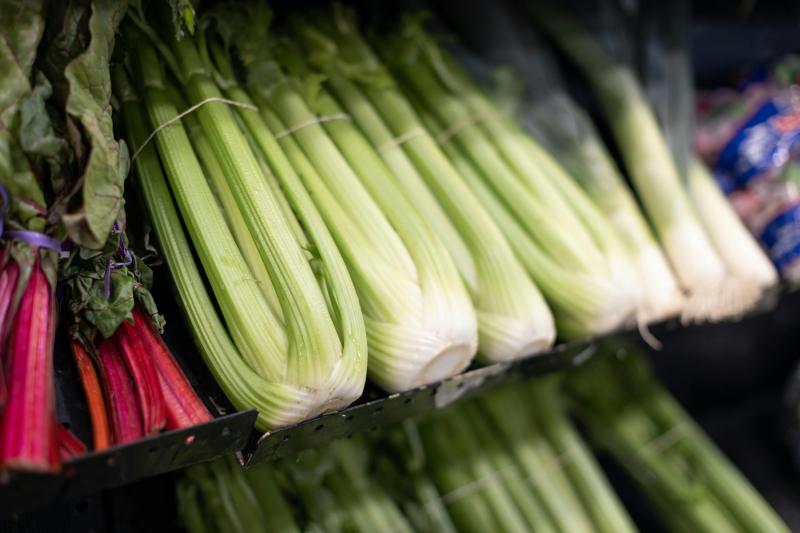
- FODMAP content varies: celery is high, while asparagus, bamboo shoots, and rhubarb are low in moderate servings.
- Histamine relevance differs: celery may act as a histamine liberator, while most others are low in histamine.
- Most stalk vegetables provide both soluble and insoluble fiber, supporting gut motility and microbiome health.
- Celery is a recognized allergen, while allergies to other stalk vegetables are rare.
- Rhubarb is high in oxalates and naturally acidic, which may affect sensitive individuals.
FODMAP Content in Stalk Vegetables
FODMAP levels in stalk vegetables range widely. Celery is high in mannitol and can trigger IBS symptoms at standard servings, while asparagus and rhubarb are low in FODMAPs when eaten in moderate amounts. Bamboo shoots and celery leaves are also generally low in FODMAPs. Portion size is key for gut-sensitive individuals, especially with celery and asparagus.
Histamine and Stalk Vegetables
Most stalk vegetables are low in histamine and do not act as histamine liberators, with the exception of celery and celery leaves, which may prompt histamine release in sensitive individuals. Bamboo shoots may cause symptoms in some people with histamine intolerance, though they are not proven histamine liberators. Rhubarb and asparagus are generally safe for those with histamine intolerance.
Fiber Content and Prebiotic Effects
Stalk vegetables provide a mix of soluble and insoluble fiber, supporting regular bowel movements and feeding beneficial gut bacteria. Asparagus, celery, and rhubarb all contribute to daily fiber intake, with bamboo shoots and cardoons offering additional gut motility support. Fiber content helps promote a balanced gut microbiome and digestive health.
Allergy Risks and Sensitivities
Celery is a major allergen in the EU and can cause severe reactions, including oral allergy syndrome and anaphylaxis. Allergies to other stalk vegetables, such as asparagus, bamboo shoots, or rhubarb, are rare but possible. Individuals with plant or pollen allergies should introduce new stalk vegetables cautiously.
Oxalates and Acidic Compounds
Rhubarb is notable for its high oxalate content, which can be a concern for people prone to kidney stones or with certain gut absorption issues. Its natural acidity may also trigger reflux in sensitive individuals. Other stalk vegetables are generally low in oxalates and less likely to cause these issues.
Preparation and Digestibility
Cooking stalk vegetables often improves their digestibility by softening fibers and reducing potential irritants. For example, asparagus and bamboo shoots are best eaten cooked, while rhubarb must always be cooked and never consumed raw. Celery and its leaves can be eaten raw or cooked, but cooking may improve tolerability for sensitive individuals.
List of Stalk Vegetables
Explore the full range of stalk vegetables and their effects on gut health. Click each for detailed information: