
 English
 Deutsch
 Français
 Italiano
 Español
 Polski
 Română
 Nederlands
 Português
 Svenska
 Dansk
Dansk
Cruciferous Vegetables and Gut Health
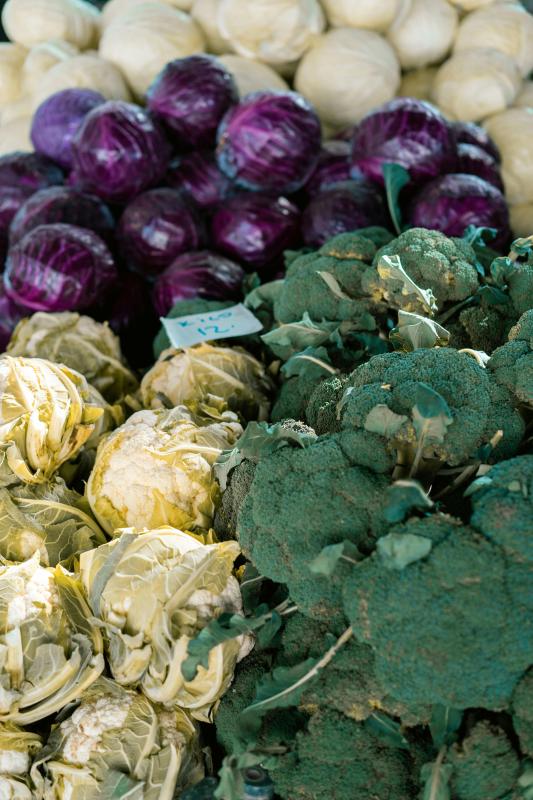
Cruciferous vegetables are a nutrient-dense group that includes broccoli, cabbage, cauliflower, Brussels sprouts, bok choy, and others. They are valued for their fiber, vitamins, and phytonutrients, but can cause digestive symptoms in sensitive individuals. Their FODMAP content, histamine-liberating potential, and fermentability are key considerations for gut health.
- Many cruciferous vegetables contain moderate to high FODMAPs, especially mannitol and fructans.
- Most are low in histamine but may act as histamine liberators, relevant for those with histamine intolerance.
- Rich in both soluble and insoluble fiber, supporting gut motility and microbiome diversity.
- Fermentable fibers can cause bloating or gas, particularly in people with IBS or sensitive digestion.
- Preparation methods (cooking, steaming) can improve digestibility and reduce FODMAP impact.
- Allergies are rare, but cross-reactions and sensitivities (e.g., to nickel or salicylates) can occur.
FODMAP Content in Cruciferous Vegetables
Cruciferous vegetables often contain moderate to high levels of FODMAPs, including polyols like mannitol and oligosaccharides such as fructans and GOS. Broccoli, Brussels sprouts, cabbage, and cauliflower are notable sources. Portion size is crucial, as small servings are usually tolerated by people with IBS, while larger amounts may trigger bloating, gas, or discomfort.
Histamine and Amines in Cruciferous Vegetables
Most cruciferous vegetables are naturally low in histamine, but some can act as mild histamine liberators, potentially triggering symptoms in sensitive individuals. Fermented forms, such as sauerkraut or kimchi, have higher histamine and amine content. Fresh, cooked crucifers are generally better tolerated by those with histamine intolerance.
Fiber Content and Prebiotic Effects
Cruciferous vegetables are excellent sources of both soluble and insoluble fiber. These fibers promote regular bowel movements and feed beneficial gut bacteria, supporting a healthy microbiome. The prebiotic effect of these fibers can enhance gut health, though rapid fermentation may cause gas or bloating in some individuals.
Fermentability and Digestive Symptoms
The fermentable fibers and FODMAPs in cruciferous vegetables are broken down by gut bacteria, producing gas as a byproduct. This process supports microbiome diversity but can lead to bloating, cramping, or flatulence, especially in people with IBS. Cooking can reduce fermentability and improve tolerability.
Preparation and Digestibility
Cooking, steaming, or sautéing cruciferous vegetables softens fibers and can lower FODMAP content, making them easier to digest. Raw forms are more likely to cause digestive symptoms. Gradually increasing intake and starting with small portions can help sensitive individuals tolerate these vegetables better.
Allergies and Sensitivities
Allergies to cruciferous vegetables are rare, but cross-reactions can occur in people allergic to related plants. Some crucifers contain moderate levels of nickel or salicylates, which may cause symptoms in sensitive individuals. Monitor your response if you have known sensitivities.
List of Cruciferous Vegetables
Explore the full range of cruciferous vegetables for detailed gut health information. Each ingredient has unique properties and tolerability: