
 English
 Deutsch
 Français
 Italiano
 Español
 Polski
 Română
 Nederlands
 Português
 Svenska
 Dansk
Dansk
Fruit Vegetables and Gut Health
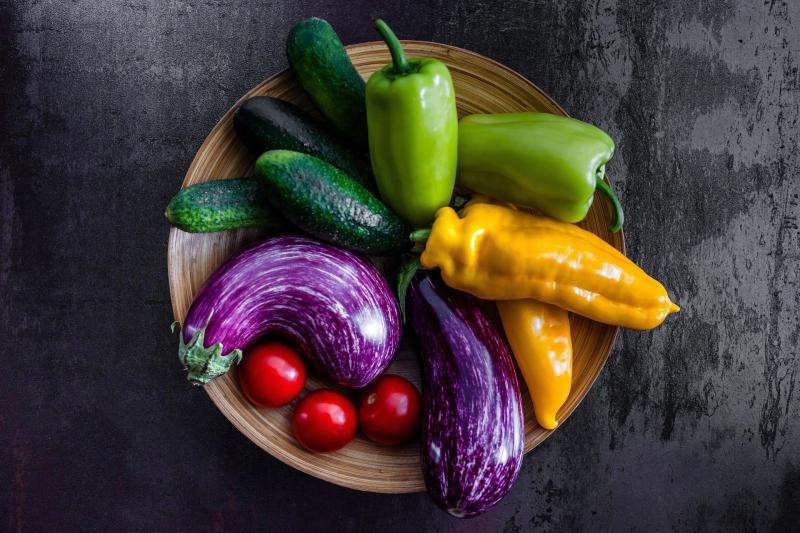
Fruit vegetables are a diverse group of plant foods that develop from the flowering part of the plant and contain seeds. This category includes tomatoes, peppers, aubergine, courgette, cucumber, okra, avocado, and related varieties. Fruit vegetables offer fiber, vitamins, and hydration, but their FODMAP, histamine, and nightshade content can impact gut health, especially for sensitive individuals.
- FODMAP content varies by ingredient and portion size; some are low FODMAP, others moderate to high.
- Histamine and amine content can be relevant, especially in tomatoes, aubergine, and some peppers.
- Many fruit vegetables belong to the nightshade family, which can trigger symptoms in sensitive individuals.
- Most provide both soluble and insoluble fiber, supporting gut motility and microbiome health.
- Allergies and cross-reactivities are rare but possible, especially with pollen sensitivities.
- Preparation method (raw, cooked, pickled) can affect tolerability and gut response.
FODMAP Content in Fruit Vegetables
FODMAP levels in fruit vegetables vary widely. Cucumber, courgette (zucchini), and bell peppers are low FODMAP in small servings, while avocado and aubergine can be moderate to high in FODMAPs depending on portion size. Tomatoes are moderate FODMAP, and okra is generally well tolerated. Monitoring serving size is important for those with IBS or FODMAP sensitivity.
Histamine and Amines in Fruit Vegetables
Some fruit vegetables, such as tomatoes and aubergine, are high in histamine or act as histamine liberators, which can trigger symptoms in people with histamine intolerance. Peppers and cucumbers may also release histamine or contain amines, especially if not fresh. Avocado and okra are generally low in histamine but can be problematic for some sensitive individuals.
Fiber Content and Gut Microbiota
Fruit vegetables provide a mix of soluble and insoluble fiber, supporting regular bowel movements and feeding beneficial gut bacteria. Tomatoes, peppers, and aubergine offer modest fiber, while okra and courgette are gentle on digestion. Avocado is a richer fiber source but may be less tolerated in larger amounts due to FODMAPs.
Nightshade Family and Sensitivities
Many fruit vegetables, including tomatoes, aubergine, and all types of peppers, belong to the nightshade family. Some people with autoimmune or inflammatory gut conditions may react to nightshades, experiencing digestive or systemic symptoms. If you have known nightshade sensitivity, monitor your response to these foods.
Allergies and Cross-Reactivity
Allergies to fruit vegetables are uncommon but possible, especially in individuals with pollen-food syndrome or sensitivities to related plant families. Symptoms may include oral itching, swelling, or mild digestive upset. Cross-reactivity is most common with peppers, tomatoes, and cucumber.
Preparation Methods and Tolerability
How fruit vegetables are prepared can affect their impact on gut health. Cooking often reduces FODMAP content and softens fiber, improving digestibility. Raw forms may be harder to tolerate for some, while pickled or fermented varieties can increase histamine and amine levels. Peeling and deseeding may also help reduce symptoms for sensitive individuals.
List of Fruit Vegetables
Explore the full range of fruit vegetables and their effects on gut health. Click each for detailed information:
Avocado
Avocado and Gut Health: FODMAP, Histamine, Fiber, and Sensitivities
Cucumber
Cucumber and Gut Health: FODMAP, Histamine, Fiber, and Digestion
Persian Cucumber
Persian Cucumber and Gut Health: FODMAP, Histamine, Fiber, and Digestion
Tomatoes
Tomatoes and Gut Health: FODMAP, Histamine, Nightshades, and Digestion