
 English
 Deutsch
 Français
 Italiano
 Español
 Polski
 Română
 Nederlands
 Português
 Svenska
 Dansk
Dansk
Tomatoes and Gut Health
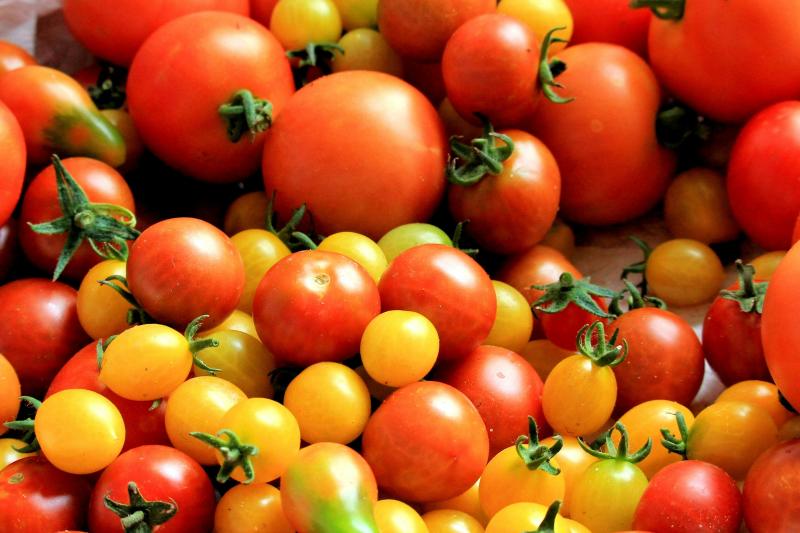
Tomatoes are a popular fruit vegetable used in countless dishes worldwide. They offer fiber and nutrients but can trigger gut symptoms in sensitive individuals due to their FODMAP, histamine, and nightshade content.
- Moderate FODMAP content, especially in larger portions
- High in histamine and acts as a histamine liberator
- Member of the nightshade family, relevant for sensitive individuals
- Contains both soluble and insoluble fiber
- Natural glutamates and salicylates may affect sensitive people
- May cause reflux or irritation in some individuals
Tomatoes and FODMAP Content
Tomatoes are considered moderate in FODMAPs. Small portions (up to about 75 grams) are generally well tolerated by most people with IBS or FODMAP sensitivity. Larger servings can increase the risk of symptoms due to higher levels of fructose and fructans. If you are following a low-FODMAP diet, monitor your portion size to minimize gut discomfort.
| FODMAPs | Level | Portion Guidance |
|---|---|---|
|
Monosaccharides (Fructose)
|
Moderate |
|
|
Disaccharides (Lactose)
|
Low | — |
|
Fructooligosaccharides (Fructans)
|
Moderate |
|
|
Galactooligosaccharides (GOS)
|
Low | — |
|
Polyols (Mannitol)
|
Low | — |
|
Polyols (Sorbitol)
|
Low–Moderate |
|
Histamine and Tomatoes
Tomatoes are high in histamine and also act as a histamine liberator, which means they can trigger the release of histamine in the body. This makes them a common trigger for people with histamine intolerance or mast cell activation issues. Processed tomato products and larger portions tend to have even higher histamine levels.
| Histamine & Related | Level | Portion Guidance |
|---|---|---|
|
Histamine Level
|
High |
|
|
Other Biogenic Amines
|
Low–Moderate |
|
|
Histamine Liberator
|
High | — |
|
DAO Blocker
|
Low | — |
Fiber Content in Tomatoes
Tomatoes contain about 1.2 grams of fiber per 100 grams, with both soluble and insoluble types present. This fiber supports healthy digestion and feeds beneficial gut bacteria. However, most people consume tomatoes in moderate amounts, so their contribution to total daily fiber intake is modest.
Total Fiber
Tomatoes as Nightshades
Tomatoes belong to the nightshade family, which also includes peppers, eggplants, and potatoes. Some individuals with autoimmune conditions or sensitivities may react to nightshades, experiencing digestive upset or inflammation. If you notice symptoms after eating tomatoes, consider whether nightshade sensitivity could be a factor.
Tomatoes and Reflux or Irritation
Tomatoes are acidic and can aggravate reflux or heartburn in sensitive individuals. The acidity may also irritate the gut lining in some people. If you have gastroesophageal reflux disease (GERD) or experience stomach discomfort after eating tomatoes, limiting intake or choosing cooked forms may help.
Allergies and Sensitivities to Tomatoes
Tomatoes contain natural glutamates, salicylates, and compounds similar to Balsam of Peru, which can cause reactions in sensitive individuals. Allergic symptoms may include oral itching, swelling, or digestive upset. Nickel-sensitive people may also react to tomatoes. If you have known sensitivities, monitor your response to tomatoes.
Details
- Absent Wheat / Spelt
- Absent Rye
- Absent Barley
- Absent Oats
Details
- Absent Crabs
- Absent Prawns
- Absent Shrimp
- Absent Lobsters
- Absent Crayfish
Details
- Absent Almonds
- Absent Brazil Nuts
- Absent Cashews
- Absent Hazelnuts
- Absent Macadamia Nuts
- Absent Pecans
- Absent Pistachios
- Absent Walnuts
Details
- Absent Clams
- Absent Mussels
- Absent Octopus
- Absent Oysters
- Absent Snails
- Absent Squid
Preparation and Digestion: Raw vs. Cooked Tomatoes
The way tomatoes are prepared can affect their impact on gut health. Cooking tomatoes may increase their histamine content but can make them easier to digest for some people. Tomato skin and seeds may be harder to tolerate for those with sensitive digestion, so peeling or deseeding may improve tolerance.