
 English
 Deutsch
 Français
 Italiano
 Español
 Polski
 Română
 Nederlands
 Português
 Svenska
 Dansk
Dansk
Avocado and Gut Health
Avocado is a nutrient-dense fruit vegetable known for its creamy texture and healthy fats. While avocados offer fiber and beneficial nutrients, they can trigger gut symptoms in sensitive individuals due to their FODMAP and histamine content. Portion size is key for tolerability.
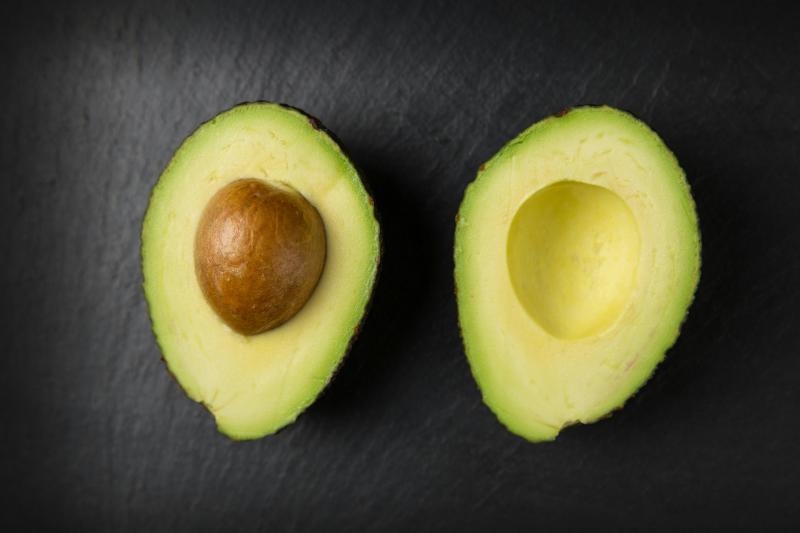
- Contains sorbitol, a FODMAP that can cause symptoms in sensitive individuals
- Acts as a histamine liberator and can be high in histamine
- Rich in both soluble and insoluble fibers, supporting gut health
- Low in fructose, generally tolerated by those with fructose intolerance
- Moderate in salicylates and nickel, which may affect sensitive people
Avocado and FODMAP Content
Avocado contains sorbitol, a polyol FODMAP that can cause digestive symptoms like bloating and gas, especially in people with irritable bowel syndrome (IBS). Small servings of up to 30 grams are usually well tolerated, but larger portions (over 80 grams) are likely to trigger symptoms. Portion control is important for those following a low-FODMAP diet.
| FODMAPs | Level | Portion Guidance |
|---|---|---|
|
Monosaccharides (Fructose)
|
Low–Moderate | — |
|
Disaccharides (Lactose)
|
Low | — |
|
Fructooligosaccharides (Fructans)
|
Low | — |
|
Galactooligosaccharides (GOS)
|
Low | — |
|
Polyols (Mannitol)
|
Low | — |
|
Polyols (Sorbitol)
|
High |
|
Histamine and Avocado
Avocado can be high in histamine and is also considered a histamine liberator, meaning it may trigger the release of histamine in the body. This makes avocado a high-risk food for people with histamine intolerance or mast cell activation issues. Symptoms may include headaches, hives, or digestive upset after eating avocado.
| Histamine & Related | Level | Portion Guidance |
|---|---|---|
|
Histamine Level
|
High |
|
|
Other Biogenic Amines
|
Low–Moderate |
|
|
Histamine Liberator
|
High | — |
|
DAO Blocker
|
Low | — |
Fiber Content in Avocado
Avocado is a good source of dietary fiber, providing about 6.7 grams per 100 grams, with both soluble and insoluble types. Soluble fiber helps feed beneficial gut bacteria and supports regular bowel movements, while insoluble fiber adds bulk to stool. This combination can promote overall digestive health for those who tolerate avocado.
Total Fiber
Fructose and Sorbitol in Avocado
Avocado contains very little fructose, making it generally safe for people with fructose intolerance. However, the presence of sorbitol, a sugar alcohol, can cause digestive symptoms in sensitive individuals, especially in larger servings. Monitoring portion size helps reduce the risk of discomfort.
Other Sensitivities: Salicylates and Nickel
Avocado contains moderate amounts of salicylates and nickel, which may cause reactions in people sensitive to these compounds. Symptoms can include oral irritation, skin reactions, or digestive upset. If you have known sensitivities, it is best to test avocado in small amounts.
Details
- Absent Wheat / Spelt
- Absent Rye
- Absent Barley
- Absent Oats
Details
- Absent Crabs
- Absent Prawns
- Absent Shrimp
- Absent Lobsters
- Absent Crayfish
Details
- Absent Almonds
- Absent Brazil Nuts
- Absent Cashews
- Absent Hazelnuts
- Absent Macadamia Nuts
- Absent Pecans
- Absent Pistachios
- Absent Walnuts
Details
- Absent Clams
- Absent Mussels
- Absent Octopus
- Absent Oysters
- Absent Snails
- Absent Squid