
 English
 Deutsch
 Français
 Italiano
 Español
 Polski
 Română
 Nederlands
 Português
 Svenska
 Dansk
Dansk
Hummus and Gut Health
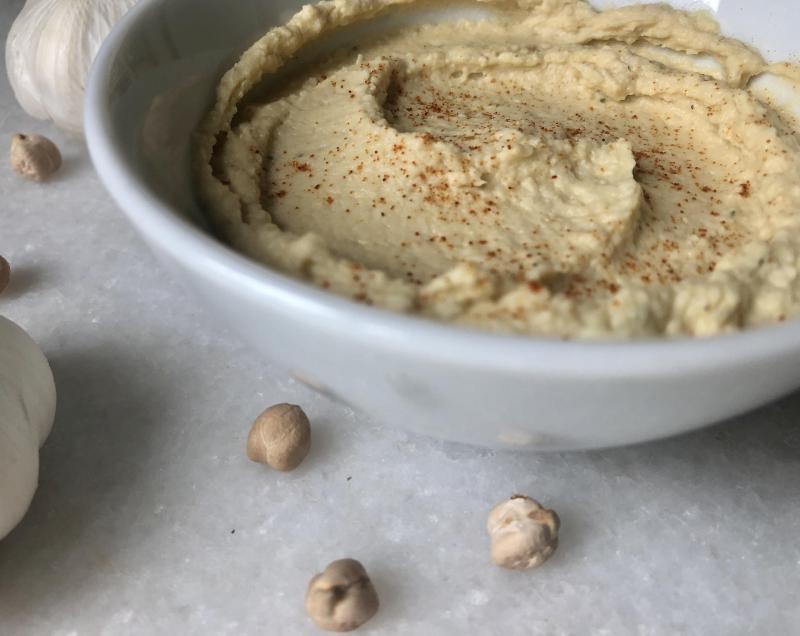
Hummus is a creamy dip made from blended chickpeas, sesame seeds (tahini), lemon juice, garlic, olive oil, cumin seed, and salt. Popular in Middle Eastern cuisine, hummus offers plant-based protein, fiber, and healthy fats, but its ingredients raise several important gut health considerations, especially for those with FODMAP sensitivity, histamine intolerance, or food allergies.
- High in FODMAPs due to chickpeas and garlic, which may trigger IBS symptoms
- Contains histamine liberators and potential amines (lemon juice, garlic, sesame, cumin)
- Rich in fiber and prebiotics from chickpeas and sesame seeds, supporting gut microbiota
- Sesame and chickpeas are major allergens; lemon juice and cumin may cause sensitivities
- Olive oil is FODMAP-free and supports gut barrier function
- Lemon juice is acidic and may worsen reflux or heartburn
FODMAP Content in Hummus
Hummus is high in FODMAPs, primarily from chickpeas (galacto-oligosaccharides) and garlic (fructans). These fermentable carbohydrates can trigger bloating, gas, and discomfort in people with IBS or FODMAP sensitivity. Small portions made with canned chickpeas and without garlic may be better tolerated, but traditional hummus often exceeds low-FODMAP thresholds.
Histamine and Amines in Hummus
Several hummus ingredients act as histamine liberators or may accumulate amines: lemon juice, garlic, sesame seeds, and cumin. While chickpeas are generally low in histamine, canned or processed forms can contain moderate amines. People with histamine intolerance or mast cell activation should monitor their response to hummus and consider limiting intake if symptoms occur.
Fiber and Prebiotic Effects
Hummus is rich in both soluble and insoluble fiber, mainly from chickpeas and sesame seeds. These fibers support regular bowel movements and feed beneficial gut bacteria, promoting a healthy microbiota. The prebiotic galacto-oligosaccharides in chickpeas further stimulate beneficial bacteria, but may also cause gas or bloating in sensitive individuals.
Allergens and Sensitivities in Hummus
Hummus contains major allergens: sesame seeds (tahini) and chickpeas, both of which can cause severe reactions. Lemon juice and cumin may trigger symptoms in those with citrus or spice allergies. Individuals with legume, seed, or citrus allergies should avoid hummus or check ingredient lists carefully.
Healthy Fats and Digestion
Olive oil and sesame seeds provide healthy unsaturated fats, which support gut barrier function and may have anti-inflammatory effects. However, high-fat meals can slow gastric emptying and may cause discomfort in people with gallbladder or pancreatic issues. Moderation and balanced portions help improve tolerability.
Acidity and Reflux Risk
Lemon juice in hummus adds acidity, which can aggravate symptoms of acid reflux or heartburn in sensitive individuals. Even small amounts may cause discomfort, especially if consumed with other acidic or spicy foods. Those with GERD should use caution or opt for hummus recipes without lemon juice.
Preparation and Tolerability
The digestibility of hummus depends on preparation. Using canned chickpeas and rinsing them can reduce FODMAP content. Omitting garlic or using garlic-infused oil can make hummus more suitable for sensitive guts. Blending ingredients thoroughly also improves texture and may aid digestion.
Ingredients in Hummus
Explore the gut health impact of each ingredient in hummus. Click for detailed information:
Chickpeas
Chickpeas and Gut Health: FODMAP, Histamine, Fiber, and Digestion
Cumin Seed
Cumin Seed and Gut Health: FODMAP, Histamine, Fiber, and Sensitivities
Garlic
Garlic and Gut Health: FODMAP, Histamine, Fiber, and Sensitivity
Lemon Juice
Lemon Juice and Gut Health: FODMAP, Histamine, Salicylates, and Reflux
Olive Oil
Olive Oil and Gut Health: FODMAP, Histamine, Digestion, and Sensitivities
Sesame Seeds
Sesame Seeds and Gut Health: FODMAP, Histamine, Fiber, and Allergies