
 English
 Deutsch
 Français
 Italiano
 Español
 Polski
 Română
 Nederlands
 Português
 Svenska
 Dansk
Dansk
Pierogi and Gut Health
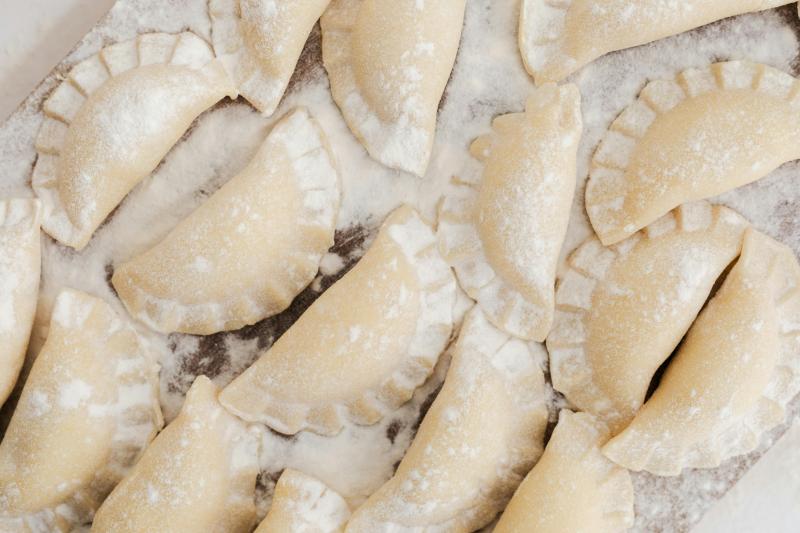
Pierogi are traditional dumplings popular in Central and Eastern Europe, typically filled with ingredients like potato, cheese (twaróg), pork, sauerkraut, mushrooms, or berries. Their dough is made from wheat flour and eggs, and fillings vary widely. The gut health impact of pierogi depends on the specific ingredients used, with key considerations for FODMAPs, histamine, fiber, and common allergens.
- High in FODMAPs due to wheat flour, onion, cabbage (sauerkraut), and some mushroom varieties
- Multiple histamine sources and liberators: mushrooms, pork, onion, sauerkraut, and some berries
- Contains major allergens: gluten (wheat), egg, and dairy (twaróg)
- Fiber content varies by filling; potato, cabbage, mushrooms, and berries add fiber
- Fermented sauerkraut increases histamine and may benefit gut microbiota for some
- Fat content and preparation (boiled vs. fried) influence digestibility
FODMAP Content in Pierogi
Pierogi are generally high in FODMAPs. The wheat flour dough contains fructans, while common fillings like onion, cabbage (in sauerkraut), and many mushrooms add further FODMAPs. Potato fillings are typically low-FODMAP, but portion size and combination with other ingredients can push the total FODMAP load above tolerance for people with IBS or FODMAP sensitivity.
Histamine and Amines in Pierogi
Several pierogi ingredients are high in histamine or act as histamine liberators. Mushrooms, pork (especially if not fresh), sauerkraut (fermented cabbage), onion, and some berries can trigger symptoms in people with histamine intolerance. Fermented fillings like sauerkraut are particularly high in histamine and amines, so individuals with histamine sensitivity should exercise caution.
Fiber Content and Gut Motility
The fiber content in pierogi depends on the filling. Potato, cabbage, mushrooms, and berries provide both soluble and insoluble fibers, supporting gut motility and beneficial bacteria. However, the wheat flour dough itself is lower in fiber than whole grain alternatives. Choosing fillings rich in vegetables or berries can help increase the fiber content of the dish.
Allergens and Sensitivities in Pierogi
Pierogi contain several major allergens: gluten (from wheat flour), egg (in the dough), and dairy (twaróg cheese). These make them unsuitable for people with celiac disease, wheat allergy, egg allergy, or milk allergy. Always check the specific filling and dough recipe if you have food allergies or intolerances.
Fermented Sauerkraut Filling and Gut Health
Sauerkraut is a fermented cabbage filling that adds probiotics and fiber, potentially benefiting gut microbiota. However, fermentation also increases histamine and amine content, which may cause symptoms in histamine-sensitive individuals. The acidity of sauerkraut can also trigger reflux in some people. Freshness and portion size influence tolerability.
Preparation Method and Digestibility
Pierogi can be boiled or fried. Boiled pierogi are generally easier to digest, while frying increases fat content, which may slow digestion and trigger discomfort in sensitive individuals. The combination of high FODMAPs, fat, and potential allergens means pierogi may not be well tolerated by those with sensitive digestion or food intolerances.
Ingredients in Pierogi
Explore the gut health impact of each ingredient in pierogi. Click for detailed information:
Black Pepper
Black Pepper and Gut Health: FODMAP, Histamine, Salicylates, Fiber, and Sensitivities
Chicken Eggs
Eggs and Gut Health: FODMAP, Histamine, Allergies, and Digestion
Onion
Onion and Gut Health: FODMAP, Histamine, Fiber, and Digestion
Potato
Potato and Gut Health: FODMAP, Histamine, Fiber, and Digestion
Twaróg
Twaróg and Gut Health: FODMAP, Histamine, Lactose, and Allergies
Wheat Flour
Wheat Flour and Gut Health: FODMAP, Gluten, Fiber, and Digestion
White Sugar
Sugar and Gut Health: FODMAP, Histamine, Fermentation, and Digestion