
 English
 Deutsch
 Français
 Italiano
 Español
 Polski
 Română
 Nederlands
 Português
 Svenska
 Dansk
Dansk
Potato and Gut Health
Potatoes are a staple root vegetable, rich in starch and fiber, and commonly consumed worldwide. While generally well tolerated, their impact on gut health depends on preparation, individual sensitivities, and dietary context.
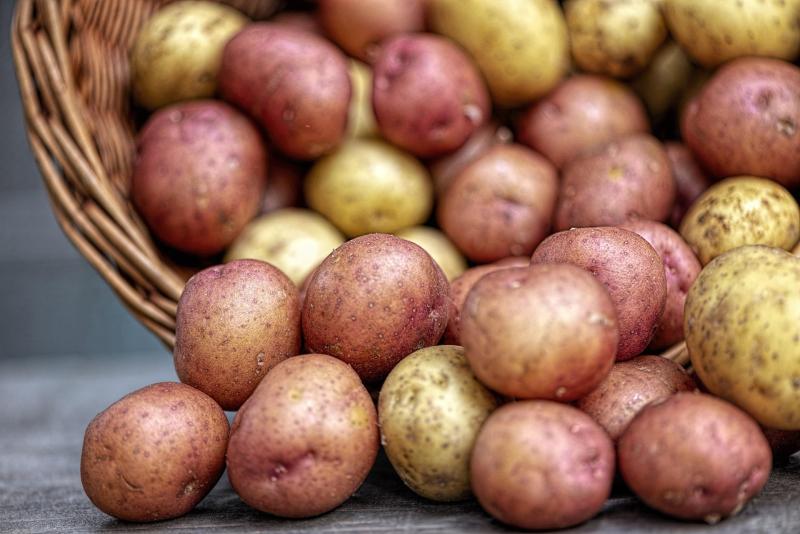
- Potatoes are low in FODMAPs when boiled and served plain
- Do not contain significant histamine or act as histamine liberators
- Provide both soluble and insoluble fiber, supporting gut health
- Potatoes are part of the nightshade family, which may be relevant for some sensitivities
- High in starch, which can affect blood sugar and gut fermentation
- Rarely cause allergies, but cross-reactions may occur in sensitive individuals
Potatoes and FODMAP Content
Boiled white potatoes are considered low in FODMAPs, making them suitable for most people with irritable bowel syndrome (IBS) or FODMAP sensitivity. However, processed potato products like chips or fries may contain added high-FODMAP ingredients. Stick to plain, cooked potatoes for best gut tolerance.
| FODMAPs | Level | Portion Guidance |
|---|---|---|
|
Monosaccharides (Fructose)
|
Low | — |
|
Disaccharides (Lactose)
|
Low | — |
|
Fructooligosaccharides (Fructans)
|
Low | — |
|
Galactooligosaccharides (GOS)
|
Low | — |
|
Polyols (Mannitol)
|
Low | — |
|
Polyols (Sorbitol)
|
Low | — |
Histamine and Potato Tolerance
Potatoes do not contain significant histamine and are not known to trigger histamine release or block DAO. This makes them a safe choice for people with histamine intolerance. However, spoilage or long storage can increase amine content, so use fresh potatoes when possible.
| Histamine & Related | Level | Portion Guidance |
|---|---|---|
|
Histamine Level
|
Low |
|
|
Other Biogenic Amines
|
Low |
|
|
Histamine Liberator
|
Low | — |
|
DAO Blocker
|
Low | — |
Fiber Content in Potatoes
Potatoes provide about 2.2 grams of fiber per 100 grams, with a mix of soluble and insoluble types. This fiber supports regular bowel movements and feeds beneficial gut bacteria. Eating potatoes with the skin increases fiber intake and may further benefit gut health.
Total Fiber
Starch and Digestion
Potatoes are high in starch, which is easily digested in most people. Some of this starch becomes resistant starch when potatoes are cooked and cooled, acting as a prebiotic and supporting gut bacteria. However, large amounts of potato can cause bloating or gas in sensitive individuals.
Potatoes as Nightshades
Potatoes belong to the nightshade family, which also includes tomatoes, eggplants, and peppers. Most people tolerate nightshades well, but some individuals with autoimmune conditions or sensitivities may react to compounds found in these vegetables. Symptoms can include digestive discomfort or joint pain.
Allergies and Sensitivities to Potatoes
Potato allergy is rare but possible, especially in people with other vegetable allergies. Symptoms can include itching, swelling, or digestive upset. Cross-reactivity may occur in people allergic to latex or other nightshades. If you suspect a reaction, consult a healthcare provider.
Details
- Absent Wheat / Spelt
- Absent Rye
- Absent Barley
- Absent Oats
Details
- Absent Crabs
- Absent Prawns
- Absent Shrimp
- Absent Lobsters
- Absent Crayfish
Details
- Absent Almonds
- Absent Brazil Nuts
- Absent Cashews
- Absent Hazelnuts
- Absent Macadamia Nuts
- Absent Pecans
- Absent Pistachios
- Absent Walnuts
Details
- Absent Clams
- Absent Mussels
- Absent Octopus
- Absent Oysters
- Absent Snails
- Absent Squid
Preparation Methods and Gut Tolerance
How potatoes are prepared affects their impact on gut health. Boiled or baked potatoes are generally well tolerated, while fried or processed forms may be harder to digest and can contain added fats or FODMAPs. Leaving the skin on boosts fiber and nutrient content.