
 English
 Deutsch
 Français
 Italiano
 Español
 Polski
 Română
 Nederlands
 Português
 Svenska
 Dansk
Dansk
Gyoza and Gut Health
Gyoza are Japanese dumplings typically filled with a mixture of pork or chicken, cabbage, chives, garlic, ginger, onion, and wrapped in wheat flour dough with eggs. This combination of ingredients brings a variety of gut health considerations, including high FODMAP content, histamine potential, fiber, and common allergens.
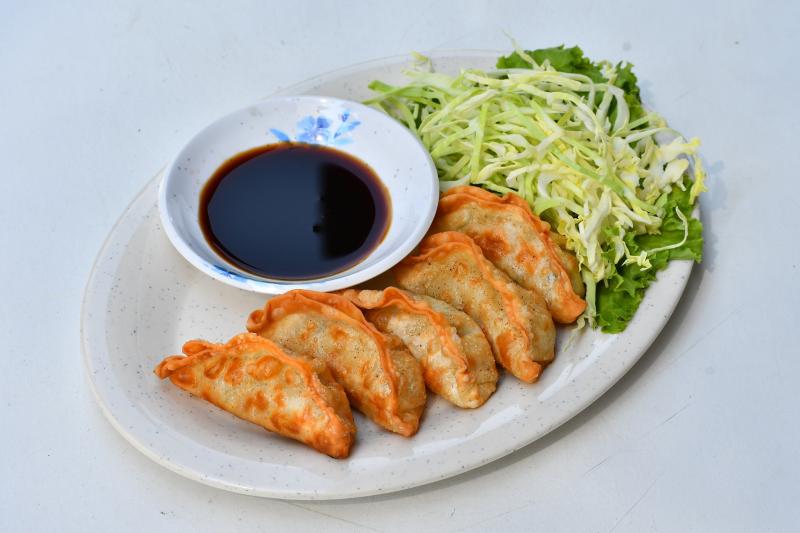
- High in FODMAPs due to wheat flour, onion, garlic, and cabbage
- Contains multiple histamine sources and liberators (pork/chicken, eggs, onion, garlic, chives)
- Major allergens present: gluten (wheat), eggs
- Provides fiber from cabbage, chives, and ginger, but not a high-fiber dish overall
- Allium family ingredients (onion, garlic, chives) may cause sensitivity reactions
- Preparation and freshness of meat impact histamine levels
FODMAP Content in Gyoza
Gyoza are high in FODMAPs, mainly due to the wheat flour wrapper, onion, garlic, and cabbage. These ingredients contain fructans and other fermentable carbohydrates that can trigger bloating, gas, and discomfort in people with IBS or FODMAP sensitivity. Even a small serving may exceed low-FODMAP thresholds for sensitive individuals.
Histamine and Amines in Gyoza
Several Gyoza ingredients are linked to histamine issues. Pork and chicken can accumulate histamine if not fresh, and eggs, onion, garlic, and chives may act as histamine liberators. This combination can provoke symptoms in people with histamine intolerance, such as headaches or digestive upset, especially if the dumplings are not freshly prepared.
Fiber Content and Gut Motility
Cabbage, chives, and ginger provide both soluble and insoluble fibers, supporting gut motility and beneficial bacteria. However, the overall fiber content of Gyoza is moderate, as wheat flour and meat do not contribute significant fiber. Pairing Gyoza with a fiber-rich side can help boost total fiber intake.
Allergens and Sensitivities in Gyoza
Gyoza contains major allergens: gluten from wheat flour and eggs in the dough. These make it unsuitable for people with celiac disease, wheat allergy, or egg allergy. Allium family ingredients (onion, garlic, chives) may also cause reactions in sensitive individuals. Always check ingredient lists if you have food allergies.
Allium Family Sensitivities
Onion, garlic, and chives in Gyoza are all allium vegetables. Some people experience digestive discomfort, bloating, or intolerance to alliums, independent of FODMAPs. Allium sensitivity is more common in those with IBS or other gut sensitivities.
Digestibility and Preparation
Gyoza are typically pan-fried and then steamed, which makes the dumplings tender but does not reduce FODMAP or histamine content. The combination of high FODMAPs, potential histamine, and common allergens means Gyoza may not be well tolerated by those with sensitive digestion or food intolerances.
Preparation, Freshness, and Gut Tolerance
The freshness of the meat filling is crucial for minimizing histamine buildup. Gyoza made with fresh pork or chicken are less likely to trigger histamine symptoms. Avoiding leftovers and reheating can help reduce risk for histamine-sensitive individuals. Homemade Gyoza allow for ingredient substitutions to improve tolerability.
Ingredients in Gyoza
Explore the gut health impact of each ingredient in Gyoza. Click for detailed information:
Cabbage
Cabbage and Gut Health: FODMAPs, Histamine, Fiber, and Digestion
Chicken
Chicken and Gut Health: FODMAP, Histamine, Digestion, and Allergies
Chicken Eggs
Eggs and Gut Health: FODMAP, Histamine, Allergies, and Digestion
Chives
Chives and Gut Health: FODMAP, Histamine, Allium Sensitivity, and Fiber
Garlic
Garlic and Gut Health: FODMAP, Histamine, Fiber, and Sensitivity
Ginger
Ginger and Gut Health: FODMAP, Histamine, Salicylates, Fiber, and Digestion
Onion
Onion and Gut Health: FODMAP, Histamine, Fiber, and Digestion
Wheat Flour
Wheat Flour and Gut Health: FODMAP, Gluten, Fiber, and Digestion