
 English
 Deutsch
 Français
 Italiano
 Español
 Polski
 Română
 Nederlands
 Português
 Svenska
 Dansk
Dansk
Pad Thai and Gut Health
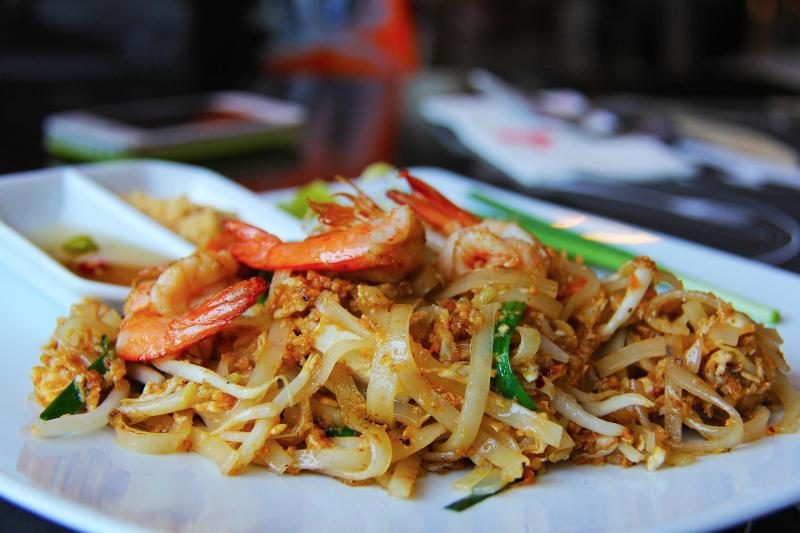
Pad Thai is a classic Thai noodle dish featuring rice noodles, peanuts, shrimp, garlic, bean sprouts, turnip, tofu, tamarind, shallot, eggs, radish, fish sauce, sugar, and chives. Its diverse ingredients offer a range of gut health effects, including FODMAP content, histamine load, fiber, and major allergens.
- Rice noodles are low FODMAP, but garlic and shallots are high FODMAP and may trigger IBS symptoms.
- Pad Thai contains several high-histamine or histamine-liberating ingredients, including shrimp, tofu, peanuts, fish sauce, and alliums.
- Major allergens present: peanuts, shrimp (shellfish), eggs, soy (tofu), and fish.
- Provides both soluble and insoluble fiber from peanuts, bean sprouts, turnip, radish, and chives.
- Fish sauce is very high in histamine and amines due to fermentation.
- Portion size and ingredient freshness are important for tolerability, especially for sensitive individuals.
FODMAP Content in Pad Thai
Pad Thai uses rice noodles, which are low in FODMAPs and generally safe for people with IBS. However, the dish also includes high-FODMAP ingredients such as garlic and shallots, which can trigger bloating, gas, and abdominal discomfort in sensitive individuals. Tofu may also be high FODMAP, depending on the type and portion. Those on a low-FODMAP diet should use caution or seek modified recipes.
Histamine and Amines in Pad Thai
Pad Thai contains several ingredients that are high in histamine or act as histamine liberators, including shrimp, tofu, peanuts, fish sauce, garlic, and shallots. Fish sauce is especially high in histamine due to fermentation. People with histamine intolerance may experience symptoms such as headaches, flushing, or digestive upset after eating Pad Thai.
Allergens and Sensitivities in Pad Thai
Pad Thai includes multiple major allergens: peanuts, shrimp (shellfish), eggs, soy (tofu), and fish (fish sauce). Even small amounts can trigger severe reactions in allergic individuals. Cross-contamination is also possible in restaurant settings. Always check ingredient lists and inform staff of allergies when ordering Pad Thai.
Fiber Content and Gut Health
Pad Thai provides both soluble and insoluble fiber from peanuts, bean sprouts, turnip, radish, and chives. These fibers support regular bowel movements and feed beneficial gut bacteria. However, the overall fiber content depends on the amount of vegetables and peanuts used. Including extra vegetables can improve the dish’s gut health profile.
Digestibility and Preparation
Pad Thai is generally easy to digest for most people, especially when made with rice noodles and cooked ingredients. However, high-FODMAP alliums, histamine-rich components, and allergens can make it problematic for sensitive guts. Using fresh ingredients and consuming moderate portions can help improve tolerability.
Preparation Methods and Gut Impact
Pad Thai is typically stir-fried, which does not introduce extra FODMAPs or histamine, but reheating or using leftovers can increase histamine levels. Freshly prepared Pad Thai is preferable for those with histamine intolerance. Adjusting the recipe to reduce garlic, shallots, or fish sauce can make it more gut-friendly.
Ingredients in Pad Thai
Explore the gut health impact of each Pad Thai ingredient. Click for detailed information:
E Number Food Additives
E Number Food Additives and Gut Health: FODMAP, Histamine, Fiber, Allergies, and Digestion
Noodles
Noodles and Gut Health: FODMAPs, Histamine, Fiber, Gluten, and Digestion
Sports Nutrition
Sports Nutrition and Gut Health: FODMAPs, Histamine, Fiber, Allergens, and Digestion