
 English
 Deutsch
 Français
 Italiano
 Español
 Polski
 Română
 Nederlands
 Português
 Svenska
 Dansk
Dansk
Döner Kebab and Gut Health
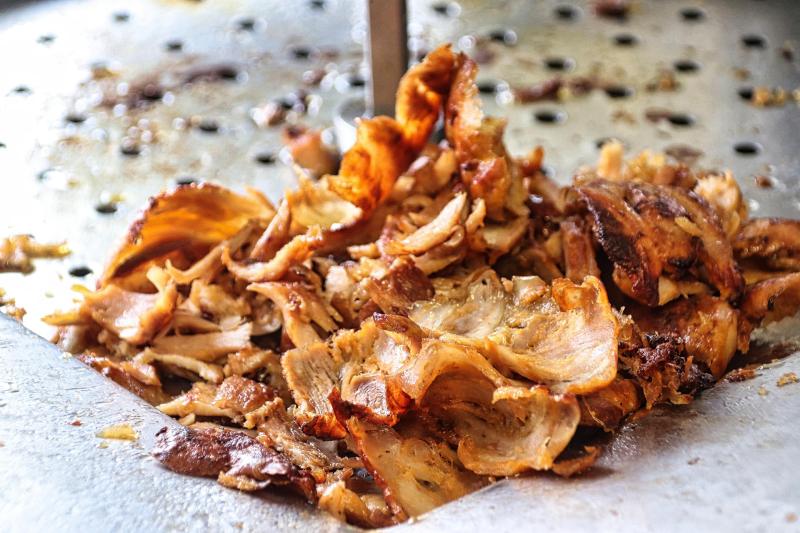
Döner Kebab is a popular street food featuring seasoned lamb or beef, served in flatbread with fresh vegetables like tomatoes, lettuce, onion, and cucumber. Its diverse ingredients offer a mix of nutrients but also introduce several gut health considerations, especially regarding FODMAPs, histamine, fiber, and common sensitivities.
- Flatbread is typically high in FODMAPs due to wheat flour; onions also add significant FODMAPs
- Tomatoes and onions are histamine liberators; beef and lamb can accumulate histamine if not fresh
- Vegetables provide some fiber, but the overall fiber content depends on the flatbread type
- Flatbread contains gluten, which may affect those with celiac disease or gluten sensitivity
- Lettuce and cucumber are low in FODMAPs and histamine, generally well tolerated
- Onion and tomatoes may trigger symptoms in those with IBS, histamine intolerance, or nightshade sensitivity
FODMAP Content in Döner Kebab
Döner Kebab can be high in FODMAPs, mainly due to the wheat-based flatbread and the inclusion of onions. Both ingredients contain fructans, which are poorly absorbed and can cause bloating or discomfort in people with IBS or FODMAP sensitivity. Tomatoes add moderate FODMAPs, while lettuce and cucumber are low-FODMAP. Portion size and ingredient choices impact overall FODMAP load.
Histamine and Amines in Döner Kebab
Several Döner Kebab ingredients are relevant for histamine intolerance. Tomatoes and onions act as histamine liberators, while beef and lamb can accumulate histamine if aged or improperly stored. Freshly cooked meat and limiting high-histamine vegetables can help reduce symptoms for sensitive individuals.
Fiber Content and Gut Motility
The fiber content in Döner Kebab comes mainly from the vegetables—lettuce, tomatoes, cucumber, and onion. These provide both soluble and insoluble fibers, supporting gut motility and microbiome health. Flatbread made from whole grains may boost fiber, but refined flatbread contributes little. Adding extra vegetables can increase the dish’s fiber benefits.
Gluten and Grain Sensitivities
Traditional Döner Kebab flatbread contains gluten, which can cause digestive symptoms in people with celiac disease or non-celiac gluten sensitivity. Gluten-free flatbread options are available but less common in street food settings. Always check the type of bread used if you need to avoid gluten.
Digestibility and Preparation
Döner Kebab is typically grilled or roasted, which makes the meat easier to digest than fried preparations. However, the combination of fatty meats, high-FODMAP ingredients, and gluten can make the dish heavy for some people. Choosing leaner cuts, fresh vegetables, and limiting onions can improve tolerability for sensitive digestion.
Allergy and Sensitivity Considerations
Döner Kebab contains potential allergens such as gluten (from flatbread) and, rarely, red meat proteins. Tomato and onion may cause reactions in those sensitive to nightshades or alliums. Cucumber and lettuce are rarely allergenic but can cause issues for people with certain pollen or nickel sensitivities.
Ingredients in Döner Kebab
Explore the gut health impact of each Döner Kebab ingredient. Click for detailed information:
Beef Cattle Breed
Beef Cattle Breed and Gut Health: FODMAP, Histamine, Digestion, and Allergies
Cucumber
Cucumber and Gut Health: FODMAP, Histamine, Fiber, and Digestion
Lamb
Lamb and Gut Health: FODMAP, Histamine, Digestion, and Allergies
Lettuce
Lettuce and Gut Health: FODMAP, Histamine, Fiber, and Digestive Tolerance
Onion
Onion and Gut Health: FODMAP, Histamine, Fiber, and Digestion
Tomatoes
Tomatoes and Gut Health: FODMAP, Histamine, Nightshades, and Digestion