
 English
 Deutsch
 Français
 Italiano
 Español
 Polski
 Română
 Nederlands
 Português
 Svenska
 Dansk
Dansk
Parasites and Your Gut: What You Need to Know
Parasites are organisms that live in or on another living being, often using the host’s resources to survive. In the gut, parasites can range from microscopic protozoa to larger worms. While some people may carry parasites without symptoms, others experience digestive problems, nutrient deficiencies or immune reactions. Understanding parasites is key for anyone interested in gut health, especially if you have unexplained symptoms or have traveled to regions where parasites are more common.
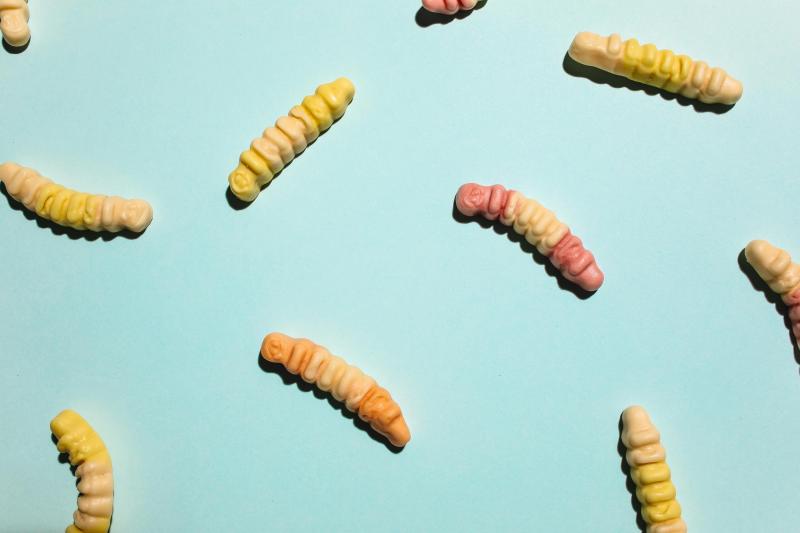
How Parasites Affect Gut Health
When parasites settle in the digestive tract, they can disrupt the balance of your gut microbiome and damage the intestinal lining. This can lead to symptoms such as diarrhea, abdominal pain, bloating, fatigue and even weight loss. Some parasites interfere with nutrient absorption, leading to deficiencies in iron, vitamin B12 or other essential nutrients. Chronic infections can trigger inflammation and may worsen conditions like irritable bowel syndrome or inflammatory bowel disease.
Common Symptoms of Gut Parasites
- Persistent diarrhea or constipation
- Abdominal cramps and bloating
- Unexplained fatigue
- Nausea or vomiting
- Sudden weight loss
- Itchy skin or rashes
- Changes in appetite
How Parasites Enter the Gut
Parasites often enter the body through contaminated food, water or contact with infected surfaces. Undercooked meat, unwashed fruits and vegetables, or drinking untreated water are common sources. Good hygiene, safe food preparation and clean water are important steps to reduce your risk. Travelers to certain regions should be especially careful, as some areas have higher rates of parasitic infections.
Diet and Recovery from Gut Parasites
A balanced diet supports your gut during and after a parasitic infection. Focus on easily digestible foods, adequate hydration and nutrient-rich choices to help your gut recover. Probiotic foods like yogurt or kefir may help restore beneficial bacteria, while fiber from fruits and vegetables supports gut healing. If you have food sensitivities or follow a special diet like low FODMAP, it is important to choose foods that are gentle on your gut. Always consult a healthcare professional for diagnosis and treatment.
Preventing Gut Parasite Infections
- Wash hands thoroughly before eating or preparing food
- Rinse fruits and vegetables under running water
- Cook meat and fish thoroughly
- Drink clean, filtered or boiled water
- Avoid swallowing water from lakes, rivers or pools
- Practice good hygiene when traveling
Explore More About Gut Health
Gut parasites are just one factor that can affect your digestive health. On Bowelbook, you can learn more about how different foods, dietary fibers, FODMAPs, histamine, gluten and prebiotics influence your gut. Explore our ingredient guides and information pages to find practical tips for managing gut problems and improving your overall well-being.