
 English
 Deutsch
 Français
 Italiano
 Español
 Polski
 Română
 Nederlands
 Português
 Svenska
 Dansk
Dansk
Mascarpone Cheese and Gut Health
Mascarpone cheese is a rich, creamy fresh cheese widely used in desserts and savory dishes. Its gut health impact depends on factors like lactose content, FODMAP status, and potential for histamine release. People with lactose intolerance or sensitive guts should consider these aspects before consuming mascarpone.
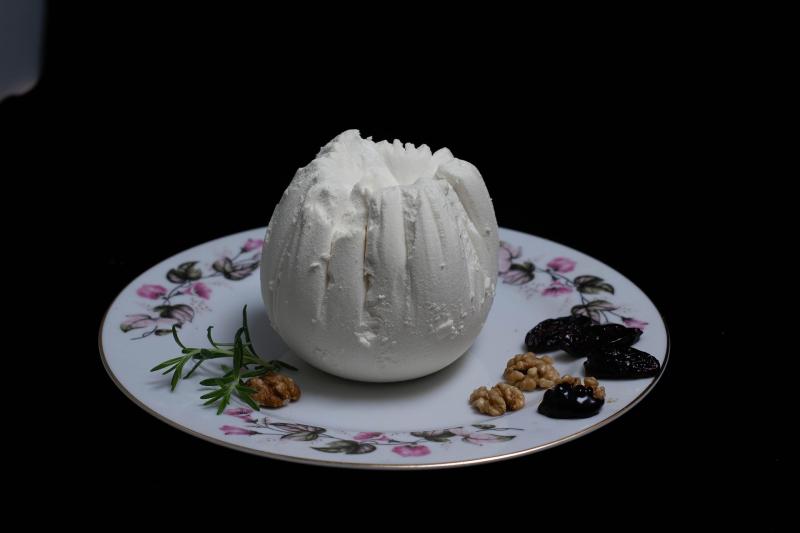
- Contains significant lactose, making it high FODMAP at typical portions
- Low in histamine as a fresh cheese, but may act as a histamine liberator
- No dietary fiber present
- Dairy allergies apply; contains milk protein
- High fat content can affect digestion in sensitive individuals
Mascarpone Cheese and FODMAP Content
Mascarpone cheese contains a significant amount of lactose, which classifies it as high FODMAP at typical serving sizes. People with irritable bowel syndrome (IBS) or those following a low-FODMAP diet should limit their intake. Small portions (under 20 grams) may be tolerated by some, but larger amounts are likely to trigger symptoms in sensitive individuals.
| FODMAPs | Level | Portion Guidance |
|---|---|---|
|
Monosaccharides (Fructose)
|
Low | — |
|
Disaccharides (Lactose)
|
High |
|
|
Fructooligosaccharides (Fructans)
|
Low | — |
|
Galactooligosaccharides (GOS)
|
Low | — |
|
Polyols (Mannitol)
|
Low | — |
|
Polyols (Sorbitol)
|
Low | — |
Histamine and Mascarpone Cheese
As a fresh cheese, mascarpone is naturally low in histamine and other biogenic amines. However, dairy products like mascarpone can act as histamine liberators, potentially triggering symptoms in people with histamine intolerance. While most people tolerate mascarpone well, those with histamine sensitivity should monitor their response.
| Histamine & Related | Level | Portion Guidance |
|---|---|---|
|
Histamine Level
|
Low–Moderate |
|
|
Other Biogenic Amines
|
Low–Moderate |
|
|
Histamine Liberator
|
Moderate | — |
|
DAO Blocker
|
Low | — |
Fiber Content in Mascarpone Cheese
Mascarpone cheese contains no dietary fiber. It does not contribute to fiber intake or support gut microbiota through prebiotic effects. If you are seeking to improve gut health through fiber, mascarpone should be paired with fiber-rich foods.
Dairy Allergies and Mascarpone Cheese
Mascarpone cheese is made from cow's milk and contains both milk protein and lactose. It is not suitable for individuals with milk allergies or lactose intolerance. Symptoms can include digestive upset, skin reactions, or more severe allergic responses in sensitive individuals.
Details
- Absent Wheat / Spelt
- Absent Rye
- Absent Barley
- Absent Oats
Details
- Absent Crabs
- Absent Prawns
- Absent Shrimp
- Absent Lobsters
- Absent Crayfish
Details
- Absent Almonds
- Absent Brazil Nuts
- Absent Cashews
- Absent Hazelnuts
- Absent Macadamia Nuts
- Absent Pecans
- Absent Pistachios
- Absent Walnuts
Details
- Absent Clams
- Absent Mussels
- Absent Octopus
- Absent Oysters
- Absent Snails
- Absent Squid
Fat Content and Digestion
Mascarpone cheese is high in fat, which can slow gastric emptying and may cause digestive discomfort in some people, especially those with gallbladder or pancreatic issues. While fat can help with satiety, excessive intake may lead to bloating or loose stools in sensitive individuals.