
 English
 Deutsch
 Français
 Italiano
 Español
 Polski
 Română
 Nederlands
 Português
 Svenska
 Dansk
Dansk
Carrot and Gut Health
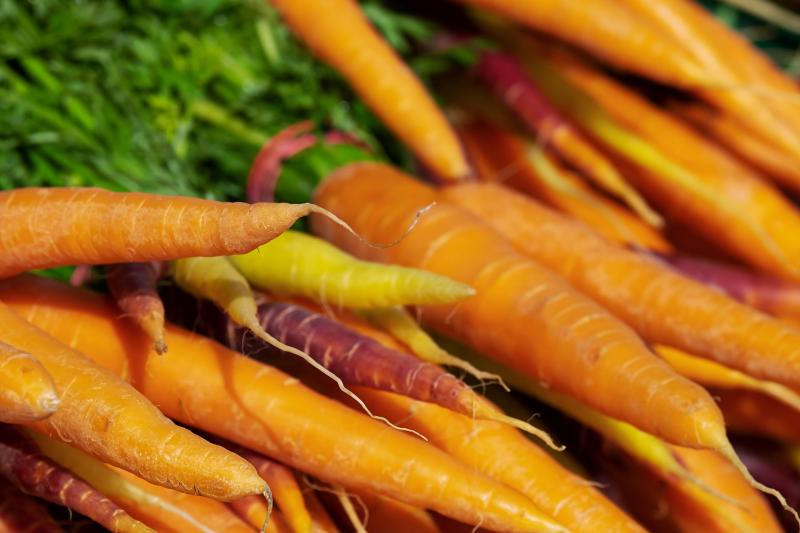
Carrots are a popular root vegetable known for their sweet flavor, crunch, and nutritional value. They are generally well tolerated in most gut health scenarios, offering fiber and antioxidants. However, some individuals may experience issues related to FODMAPs, histamine, or other sensitivities.
- Low in FODMAPs, suitable for most people with IBS
- Not a significant histamine source, generally safe for histamine intolerance
- Rich in insoluble and soluble fiber, supports gut microbiota
- Rarely causes allergies, but possible in those sensitive to root vegetables or salicylates
- Moderate carbohydrate content, may not fit strict keto diets
- Contains moderate salicylates and nickel, relevant for sensitive individuals
Carrots and FODMAP
Carrots are considered low in FODMAPs and are generally well tolerated by people with irritable bowel syndrome (IBS) or those following a low-FODMAP diet. Standard serving sizes, such as a medium carrot or about 75 grams, do not contain enough FODMAPs to trigger symptoms for most individuals. This makes carrots a safe and versatile vegetable for sensitive guts.
| FODMAPs | Level | Portion Guidance |
|---|---|---|
|
Monosaccharides (Fructose)
|
Low | — |
|
Disaccharides (Lactose)
|
Low | — |
|
Fructooligosaccharides (Fructans)
|
Low | — |
|
Galactooligosaccharides (GOS)
|
Low | — |
|
Polyols (Mannitol)
|
Low | — |
|
Polyols (Sorbitol)
|
Low | — |
Histamine and Carrots
Carrots are not a significant source of histamine and do not act as histamine liberators or DAO blockers. Most people with histamine intolerance can enjoy carrots without issue. However, as with any food, individual responses can vary, and rare sensitivities may occur.
| Histamine & Related | Level | Portion Guidance |
|---|---|---|
|
Histamine Level
|
Low |
|
|
Other Biogenic Amines
|
Low |
|
|
Histamine Liberator
|
Low | — |
|
DAO Blocker
|
Low | — |
Fiber Content in Carrots
Carrots provide about 2.8 grams of fiber per 100 grams, with a mix of soluble and insoluble fibers. Insoluble fiber supports regular bowel movements and gut motility, while soluble fiber feeds beneficial gut bacteria. This fiber profile helps promote digestive health and may reduce constipation risk.
Total Fiber
Digestibility and Preparation
Carrots are easy to digest for most people, whether eaten raw, cooked, or juiced. Cooking carrots can soften their fibers, making them gentler on sensitive stomachs. Some people may find raw carrots cause mild bloating, but this is uncommon. Including carrots in soups or stews can further enhance their digestibility.
Allergies and Sensitivities to Carrots
Carrot allergy is rare but possible, especially in people with pollen-food syndrome or sensitivities to other root vegetables. Symptoms may include itching, swelling, or digestive upset. Carrots also contain moderate levels of salicylates and nickel, which can cause reactions in highly sensitive individuals.
Details
- Absent Wheat / Spelt
- Absent Rye
- Absent Barley
- Absent Oats
Details
- Absent Crabs
- Absent Prawns
- Absent Shrimp
- Absent Lobsters
- Absent Crayfish
Details
- Absent Almonds
- Absent Brazil Nuts
- Absent Cashews
- Absent Hazelnuts
- Absent Macadamia Nuts
- Absent Pecans
- Absent Pistachios
- Absent Walnuts
Details
- Absent Clams
- Absent Mussels
- Absent Octopus
- Absent Oysters
- Absent Snails
- Absent Squid
Carbohydrate and Sugar Content
Carrots contain moderate carbohydrates and natural sugars. While this is not an issue for most people, those on strict ketogenic diets may need to limit their intake. For the general population, the sugar content in carrots is balanced by their fiber and nutrient density, making them a healthy choice.