
 English
 Deutsch
 Français
 Italiano
 Español
 Polski
 Română
 Nederlands
 Português
 Svenska
 Dansk
Dansk
Turnip and Gut Health
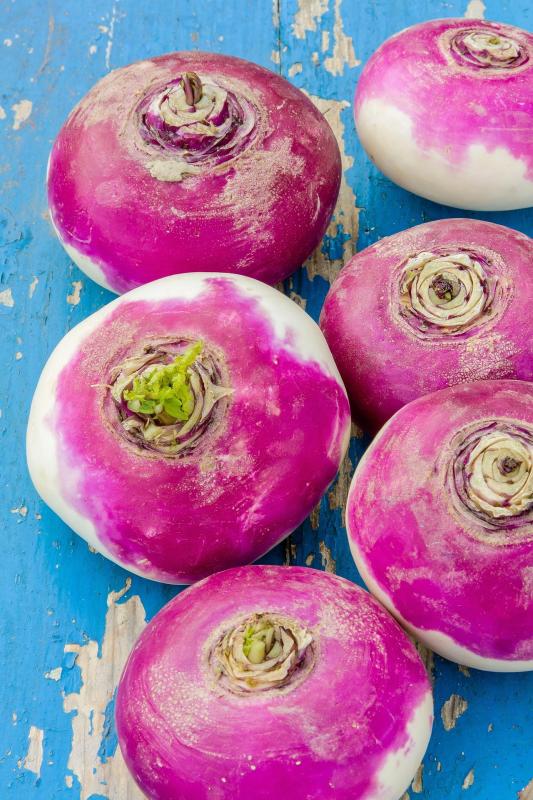
Turnip is a root vegetable with a mild flavor and crisp texture. It offers dietary fiber and is generally well tolerated, but its FODMAP content and potential for mild intolerance in sensitive individuals should be considered.
- FODMAP content is portion-dependent; moderate servings are usually tolerated
- Low in histamine, generally safe for histamine intolerance
- Provides both soluble and insoluble fiber for gut health
- May contain sorbitol, which can affect sensitive individuals
- Rarely causes allergies, but root vegetables can contain moderate nickel
Turnip and FODMAP Content
Turnip contains FODMAPs, particularly sorbitol, but is generally considered low FODMAP in servings up to 75 grams. Larger portions may increase the risk of symptoms like bloating or gas in people with IBS or FODMAP sensitivity. Portion control is key for those following a low-FODMAP diet.
| FODMAPs | Level | Portion Guidance |
|---|---|---|
|
Monosaccharides (Fructose)
|
Low | — |
|
Disaccharides (Lactose)
|
Low | — |
|
Fructooligosaccharides (Fructans)
|
Low | — |
|
Galactooligosaccharides (GOS)
|
Low | — |
|
Polyols (Mannitol)
|
Low | — |
|
Polyols (Sorbitol)
|
Moderate |
|
Histamine and Turnip
Turnip is naturally low in histamine and is generally well tolerated by people with histamine intolerance. It does not act as a histamine liberator or DAO blocker, making it a safe choice for most individuals with histamine-related gut issues.
| Histamine & Related | Level | Portion Guidance |
|---|---|---|
|
Histamine Level
|
Low–Moderate |
|
|
Other Biogenic Amines
|
Low |
|
|
Histamine Liberator
|
Low | — |
|
DAO Blocker
|
Low | — |
Fiber Content in Turnip
Turnip provides about 1.8 grams of fiber per 100 grams, with a mix of soluble and insoluble types. This fiber supports healthy digestion, regular bowel movements, and feeds beneficial gut bacteria. Including turnip in your diet can contribute to daily fiber intake and overall gut health.
Total Fiber
Prebiotic Effects of Turnip
The fiber in turnip, especially its soluble portion, may have mild prebiotic effects. This means it can help stimulate the growth of beneficial gut bacteria, supporting a balanced microbiome. While not as potent as some other prebiotic foods, turnip can be a helpful addition to a gut-friendly diet.
Digestion and Tolerability
Most people digest turnip well, especially when cooked. However, its sorbitol content may cause mild bloating or gas in sensitive individuals, particularly when eaten raw or in large amounts. Cooking turnip can improve digestibility and reduce the risk of discomfort.
Allergies and Sensitivities
Allergic reactions to turnip are rare. However, root vegetables like turnip can contain moderate nickel, which may be relevant for those with nickel sensitivity. If you have a known root vegetable or nickel allergy, monitor for symptoms when consuming turnip.
Details
- Absent Wheat / Spelt
- Absent Rye
- Absent Barley
- Absent Oats
Details
- Absent Crabs
- Absent Prawns
- Absent Shrimp
- Absent Lobsters
- Absent Crayfish
Details
- Absent Almonds
- Absent Brazil Nuts
- Absent Cashews
- Absent Hazelnuts
- Absent Macadamia Nuts
- Absent Pecans
- Absent Pistachios
- Absent Walnuts
Details
- Absent Clams
- Absent Mussels
- Absent Octopus
- Absent Oysters
- Absent Snails
- Absent Squid